Heads up: this post uses affiliate links, so I earn a small commission if you shop through me, at no extra cost to you. I only recommend books I genuinely believe are worth your time.
You finished The Odyssey and you are not ready to leave. I know the feeling exactly, because I am living in it right now. There is something about spending time inside these three-thousand-year-old stories that makes the modern world feel a little thin afterward, and the only cure is more myth.
The wonderful news is that we are living through a genuine golden age of mythology retellings. It started in earnest with Madeline Miller, exploded after Circe, and it has not slowed down since. Publishers cannot print them fast enough, and with Christopher Nolan's Odyssey pulling the whole culture back toward Homer, the shelf is only getting deeper. Some of the books on this list came out just last year.
Here is what makes this particular wave so good, and so worth your time. The best of these retellings do exactly what makes the Odyssey feel so alive when you read it closely: they hand the story to the people the old poets left in the margins. The wives who waited. The daughters who were sacrificed. The enslaved women who were treated as spoils. The monsters who were once girls. When you read the Odyssey and start to feel the weight of everyone Homer mentions in a single line and then forgets, these are the books that go back and give those people a whole heart.
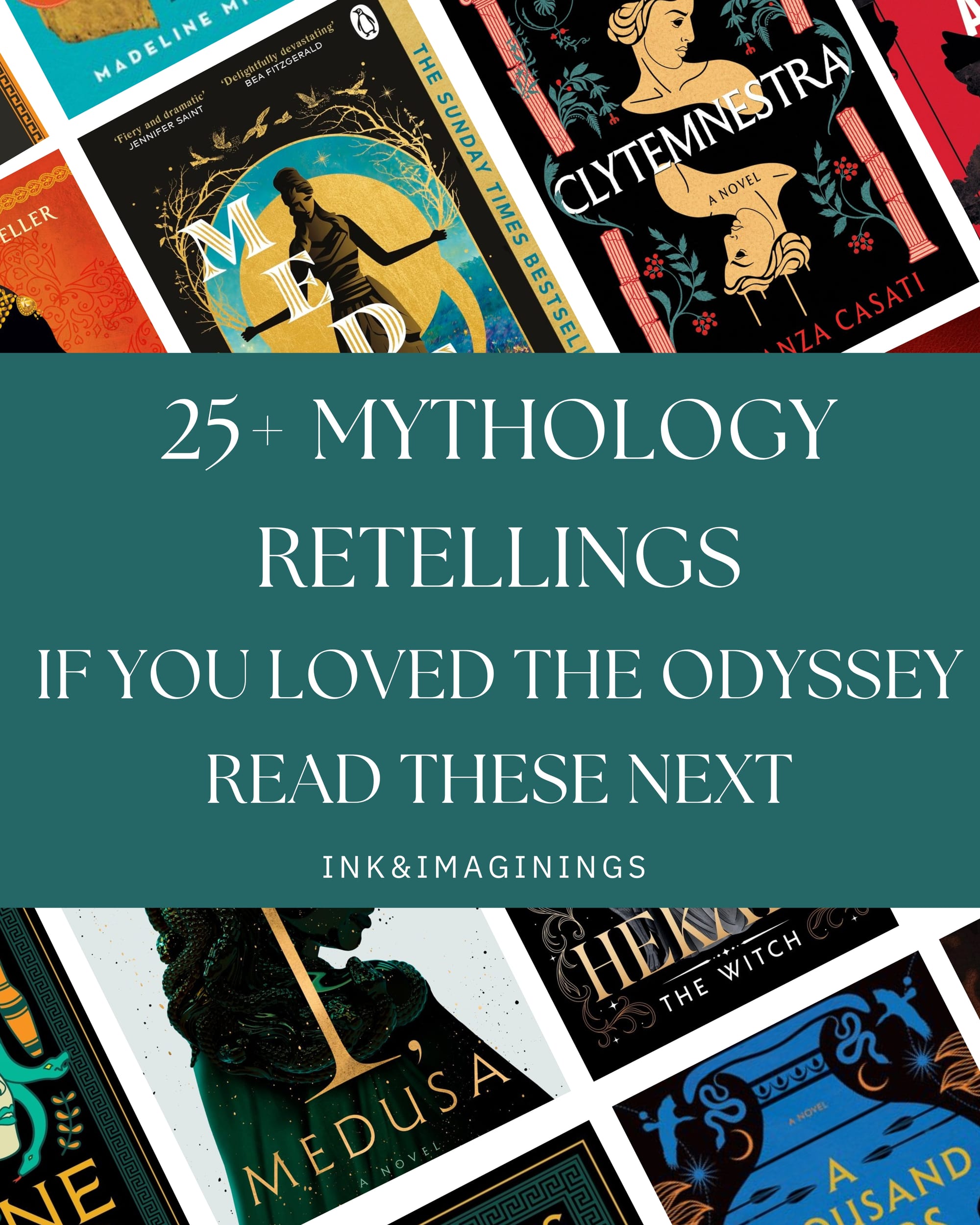
So I have gathered the twenty-five I would actually put in your hands, and I have grouped them by where your Odyssey obsession is pointing. Stay close to home with Penelope, spin out into the whole Trojan War, follow the cursed house of Atreus toward the darker homecoming, meet the goddesses and monsters getting their voices back, and finally leave Greece entirely for myths from around the world. Wherever you land, start reading, and come tell me which one wrecked you.
Closest to The Odyssey: Penelope and the Homecoming
If you want to stay right inside Odysseus's world, these four keep you there.

Circe by Madeline Miller is the one to read first, no argument. The witch who turns Odysseus's men into pigs in a single episode of the poem gets a whole luminous novel of her own here, from her childhood as the overlooked daughter of the sun god to her exile on the island of Aiaia, where she teaches herself witchcraft and slowly becomes the most dangerous woman in the world. It is a story about power, motherhood, and choosing your own life, and it is the book that made the modern retelling a phenomenon. If you read only one book on this entire list, make it this one. Read my full guide.

The Penelopiad by Margaret Atwood flips the poem inside out and hands the microphone to Penelope, narrating wryly from the underworld, with her twelve hanged maids returning again and again as a haunting Greek chorus. Atwood is furious and funny about the way the Odyssey disposes of those maids in a single brutal scene, and she turns that footnote into the beating heart of the book. It is short, sharp, and it will permanently change how you read the ending of the poem. Read my full guide.

The Ithaca trilogy by Claire North (Ithaca, House of Odysseus, and The Last Song of Penelope) is the deep cut I most want you to know about, because almost nobody talks about it and it is superb. North tells the Odyssey from Ithaca itself, narrated by the goddesses, following Penelope as she holds a fragile kingdom together, manages a palace full of hostile suitors, and quietly runs everything while the men are away or assumed dead. If the half of the poem you loved most was the home front, the waiting and the politics and the sheer competence of Penelope, this is your next hundred hours.

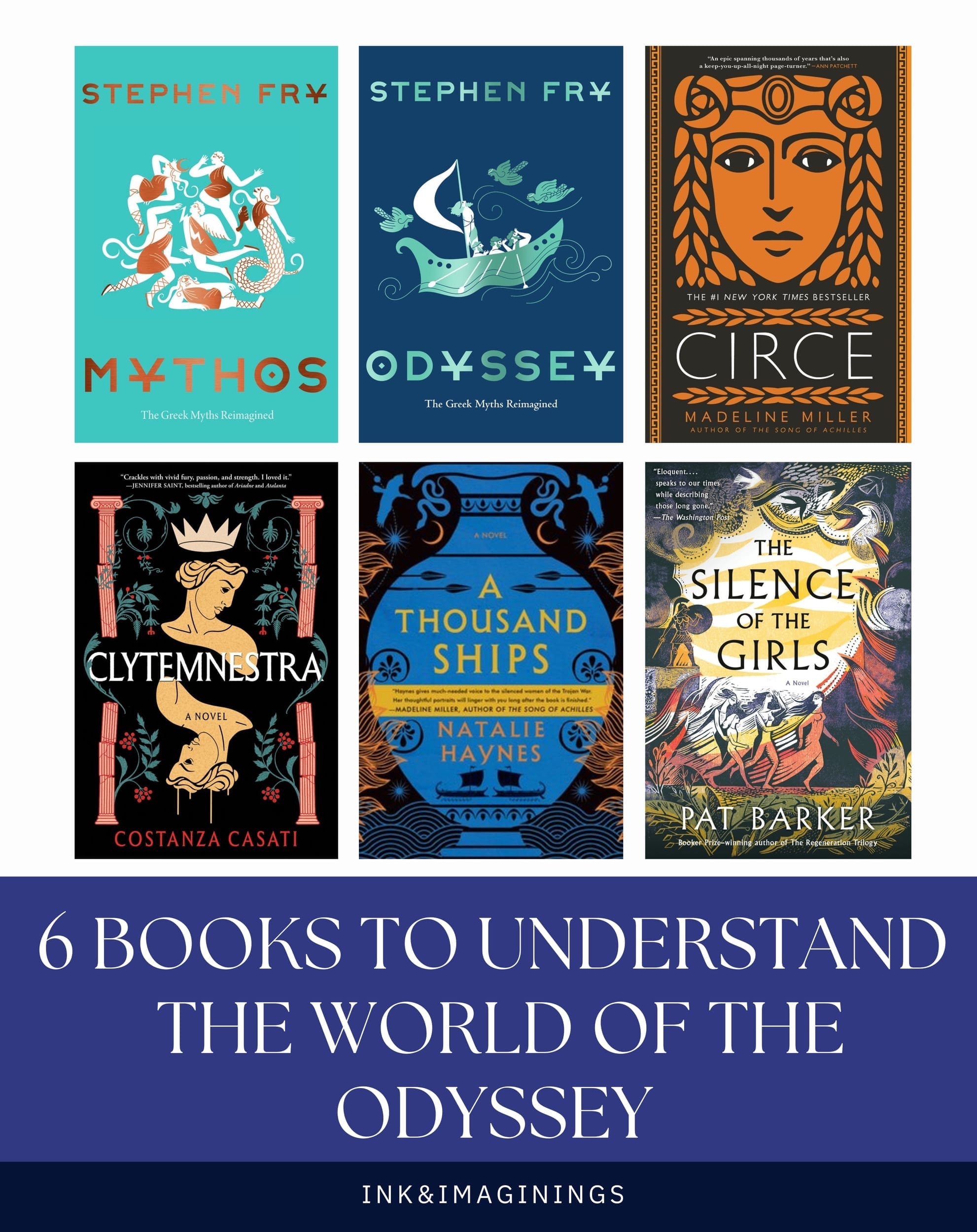
A Thousand Ships by Natalie Haynes widens the lens to every single woman touched by the Trojan War, from queens to slaves to goddesses, and even gives Penelope a running set of increasingly exasperated letters to her absent husband. It is framed by the Muse Calliope herself, weary of poets who only ever want to sing about men, and that framing is the whole thesis. Haynes is witty and humane, and this is the perfect bridge between the Odyssey and the wider war behind it.
The Trojan War, from the Women's Side
The war that sends Odysseus wandering for ten years, told at last by the people who actually paid for it.

The Silence of the Girls, The Women of Troy, and The Voyage Home by Pat Barker are the towering achievement of this whole genre. Barker gives the Iliad and its aftermath to Briseis, the captured queen handed to Achilles as a prize, and to the enslaved women of the Greek camp who watch the great heroes up close and are owned by them. Barker is unflinching, unsentimental, and one of the finest living novelists, and by the third book she carries you right up to the homecomings. This is the Trojan War with all the glamour stripped off and all the truth left in.

The Song of Achilles by Madeline Miller is the tender, devastating love story of Achilles and Patroclus, narrated by Patroclus from boyhood through the war that will destroy them both. It is warmer and more romantic than Circe, and it has made more readers cry than almost any book of the last decade. If you have somehow not read it yet, that is the first thing to fix. Read my full guide.

Daughters of Sparta by Claire Heywood follows Helen and Klytemnestra as sisters, and makes the bold, quiet choice to strip the myth of its gods entirely, grounding the whole story in the lived reality of two royal women married off, betrayed, and blamed for a war they did not start. If you want the human scale rather than the divine one, this is a beautiful place to go.
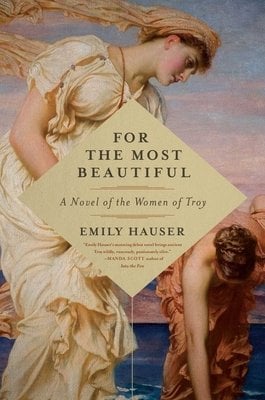
For the Most Beautiful by Emily Hauser retells the fall of Troy through Briseis and Krisayis, two women on opposite sides of the walls, and it is the first in a trilogy that reaches across the whole classical world. It is a great pick if you want the war at ground level, seen by the people with the most to lose.
The House of Atreus: The Dark Homecoming
Odysseus makes it home to a faithful wife. Agamemnon sails home to a wife who has spent ten years planning to kill him. This is the family that shows you the other ending, and it is the darkest, richest corner of Greek myth.

Clytemnestra by Costanza Casati is a fierce, propulsive origin story for the queen everyone remembers as a murderer and nobody remembers as a mother. Casati takes you from Clytemnestra's girlhood in Sparta through the killing of her first husband, the sacrifice of her daughter Iphigenia, and the ten long years she waits for Agamemnon to come home so she can make him pay. It is one of the very best of the recent wave, and it reads like a thriller.

Elektra by Jennifer Saint braids together three women bound to the cursed house, Clytemnestra, her daughter Elektra, and the doomed prophetess Cassandra, and follows the grief and vengeance that pass down through the generations like an inheritance. Saint is a reliably immersive storyteller, and this is her most emotionally complex book.

House of Names by Colm Toibin is the literary heavyweight of the group, a spare and chilling retelling of Clytemnestra, Orestes, and Elektra from a Booker-shortlisted master. Toibin strips the language down to the bone and lets the horror of the family speak for itself. If you want a retelling that reads like serious literary fiction first and myth second, this is it.
Goddesses and Monsters, Reclaimed
This is the biggest and most exciting corner of the genre right now: the women the old myths turned into villains, monsters, and cautionary tales, finally given their own side of the story.

I, Medusa by Ayana Gray is a brand-new 2025 release and a fantastic entry point, a villain-origin retelling that reimagines Medusa as a young woman crushed between the schemes of two ruthless gods long before she was ever a monster. It is Gray's adult debut, and it lands right in the sweet spot of this whole movement. Read my full guide.

Stone Blind by Natalie Haynes is the other essential Medusa, and it is funny and furious in equal measure about who the real monster in her story actually is. Haynes tells it with gods, mortals, and even a very opinionated crow, and by the end you will never look at Perseus the hero the same way again.

Medusa by Jessie Burton is a gorgeous, illustrated, more intimate take, focused on the tender and doomed meeting between Medusa and Perseus on her island. It is the shortest way into her story, and you can read it in a single lovely afternoon.

Hekate: The Witch by Nikita Gill is a number-one bestselling novel-in-verse retelling of the goddess of witches and crossroads, published in 2025 and the start of a new series. Gill is a poet first, so this one reads like incantation, and it is perfect if you want something formally different from the standard prose retelling.

Hera by Jennifer Saint gives the queen of the gods her due at last, as ruthless, strategic, ambitious, and far more than the jealous, scheming wife the myths reduced her to. It is a satisfying corrective to centuries of Hera as a punchline.

Ariadne and Atalanta, also by Jennifer Saint, are two more terrific entry points if her voice clicks with you. Ariadne gives you the Minotaur, Theseus, and the god Dionysus through the princess who made the hero's victory possible and got abandoned for her trouble. Atalanta gives you the fierce huntress of the Argonauts, the only woman among Greece's greatest heroes.

Galatea by Madeline Miller is a short, sharp jewel of a story that turns the Pygmalion myth back on the men who tell it, following the statue-made-woman as she plots her own escape. It is tiny and it is perfect, ideal for a single sitting between bigger books.
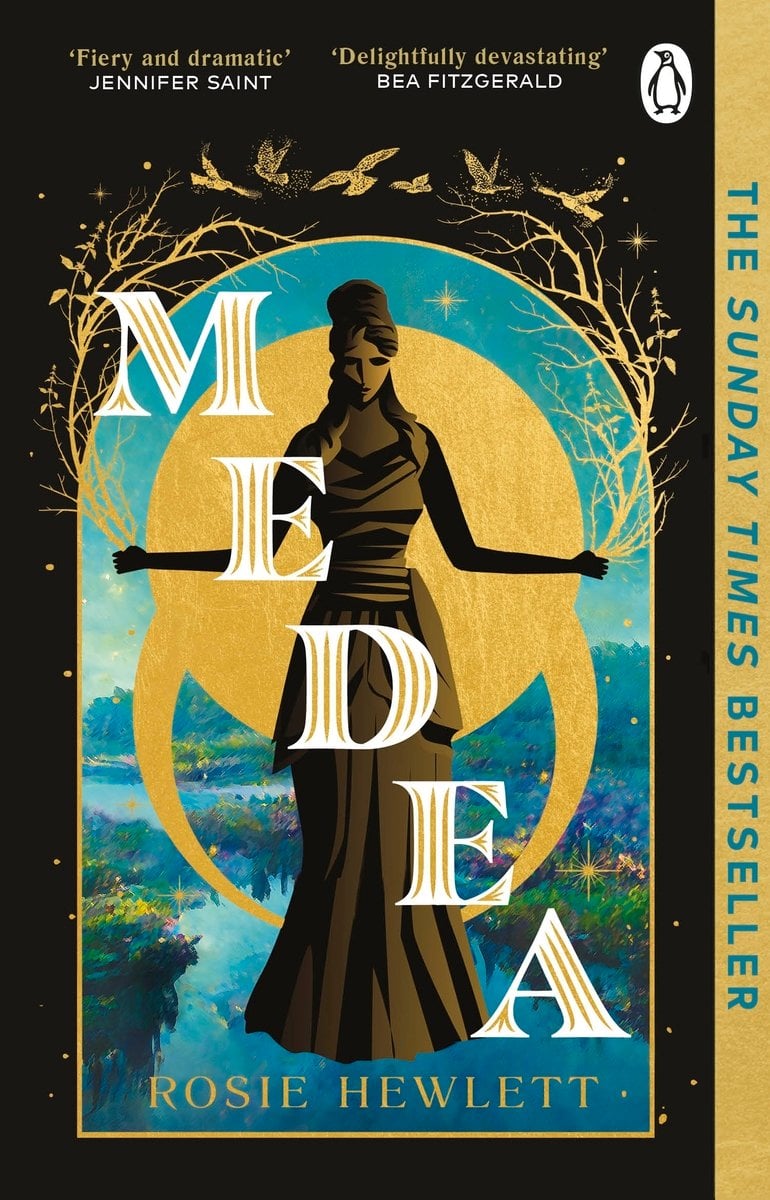
Medea by Rosie Hewlett gives the most maligned woman in all of myth a voice that dares you to keep judging her, following the sorceress from her betrayal of her family for Jason to the terrible revenge that made her infamous. It is propulsive and morally bracing.

Wake, Siren by Nina MacLaughlin retells Ovid's Metamorphoses as a chorus of the transformed women, Daphne, Eurydice, and dozens more, each speaking in her own strange and modern and unforgettable voice. It is the most formally daring book on this list, and it is a knockout.
Beyond Greece: Widen the Myth
If the retelling itch has grown bigger than a single pantheon, and it will, follow it here.
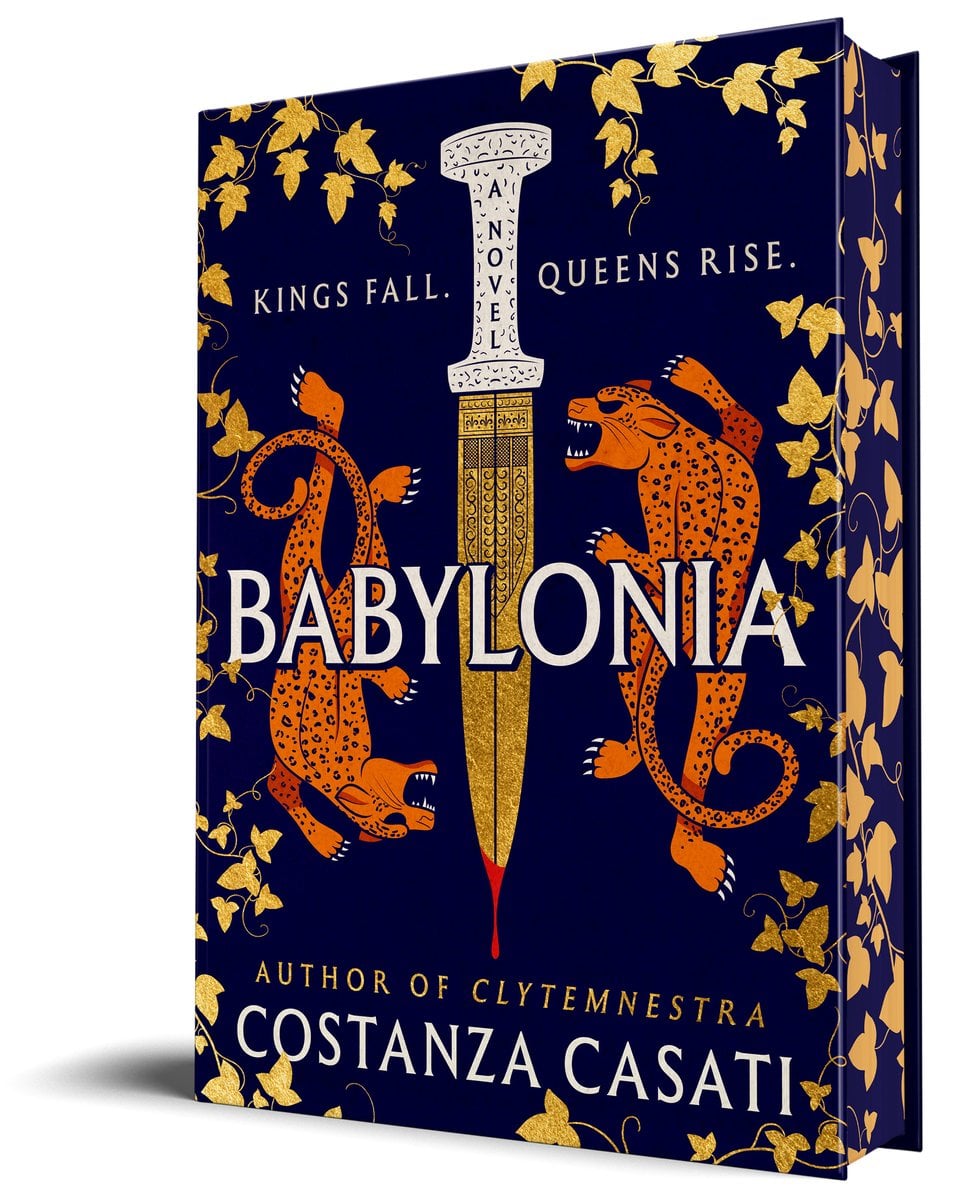
Babylonia by Costanza Casati leaves Greece entirely for ancient Assyria and the astonishing rise of Semiramis, an orphan who claws her way from nothing to the throne of the greatest empire on earth. If you loved Clytemnestra, Casati brings the same fierce, propulsive energy to a queen most Western readers have never even heard of.

Kaikeyi by Vaishnavi Patel reclaims one of the great villains of the Indian epic the Ramayana, the queen whose choice sends the god-prince Rama into exile, and gives her reasons, magic, and a fully human heart. It is every bit as accomplished as the best Greek retellings, and it will send you looking for more.
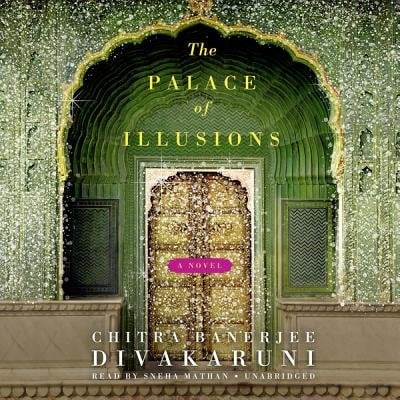
The Palace of Illusions by Chitra Banerjee Divakaruni tells the vast Indian epic the Mahabharata through Panchaali, better known as Draupadi, the woman married to five brothers and standing at the center of a world-ending war. It is sweeping, intimate, and a wonderful doorway into a mythology as rich as the Greek one.

The Witch's Heart by Genevieve Gornichec heads north to Norse myth and the giantess Angrboda, the witch who becomes Loki's wife and the mother of a wolf, a serpent, and the goddess of the dead. It is tender and tragic, and it carries you all the way to Ragnarok.
Where to Start
If you want exactly one, make it Circe, every time. If it is the Trojan War you cannot stop thinking about, start with The Silence of the Girls. If it is Penelope specifically, the waiting and the cleverness and the home, go straight to Ithaca. And if you want the freshest thing on the list, pick up one of the 2025 releases, I, Medusa or Hekate. Truly, you cannot go wrong.
Frequently Asked Questions
Do I need to know Greek mythology first? No, not at all. Almost every book on this list gives you everything you need as you go, and honestly, reading the retellings is one of the most enjoyable ways to learn the myths in the first place.
Which mythology retelling should I read first? Circe by Madeline Miller is the most accessible and beloved starting point, and the one most likely to hook you on the whole genre. For the Trojan War specifically, start with The Silence of the Girls by Pat Barker.
Are these all Greek myths? Most of them are, but the final group widens out to Assyrian, Indian, and Norse mythology, so there is always somewhere new to go once the Greek shelf runs out.
Are mythology retellings the same as fantasy? They overlap, but most of these read as literary or historical fiction with a mythic frame rather than epic fantasy. The magic is usually restrained and the focus is on character, so they suit readers who do not normally reach for the fantasy shelf.
What to Read Next
Still in your Odyssey era? Keep going.
📚 The Odyssey Summary: The Full Story Explained Before the Movie: the whole plot in plain language, ideal before the Nolan film.
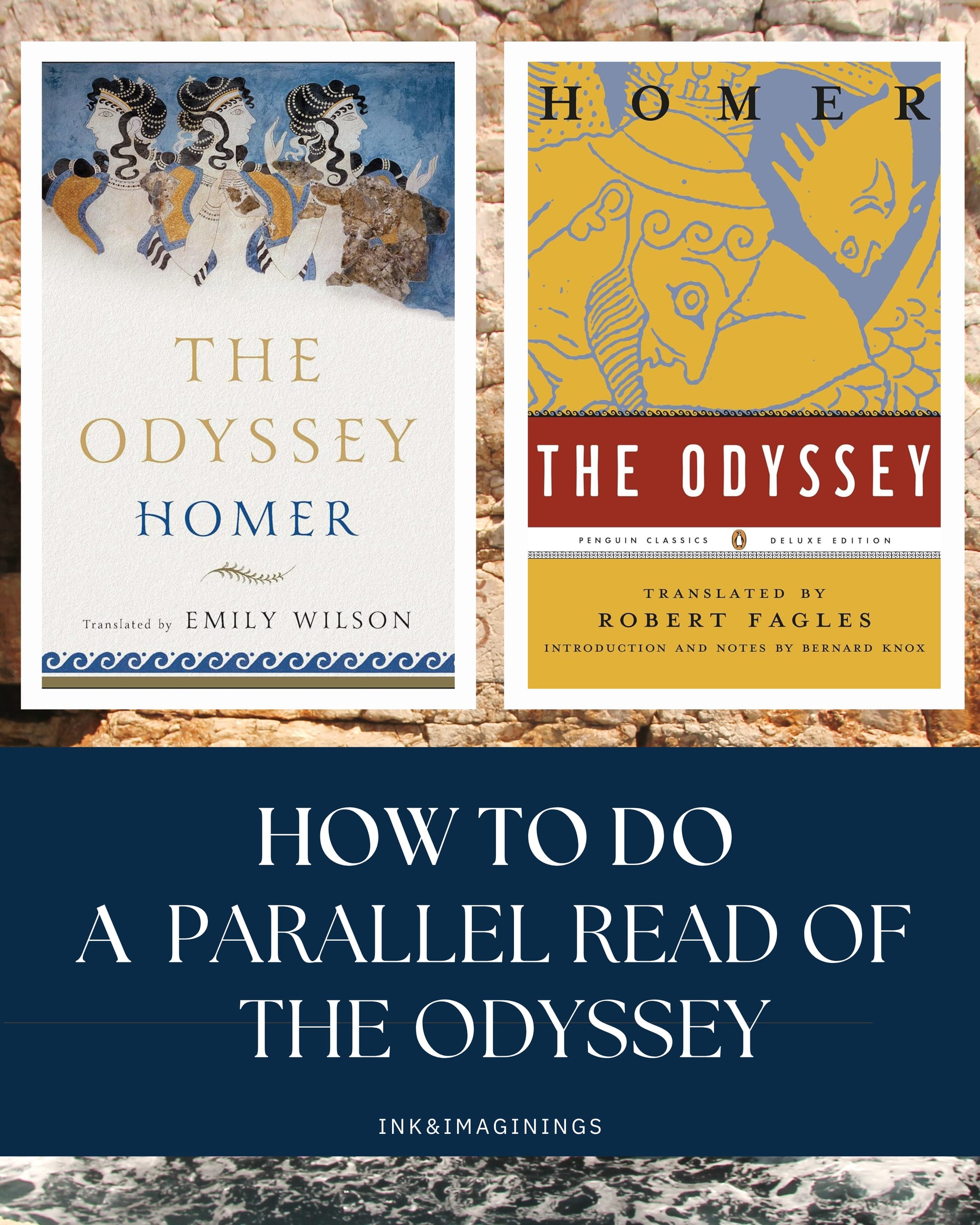
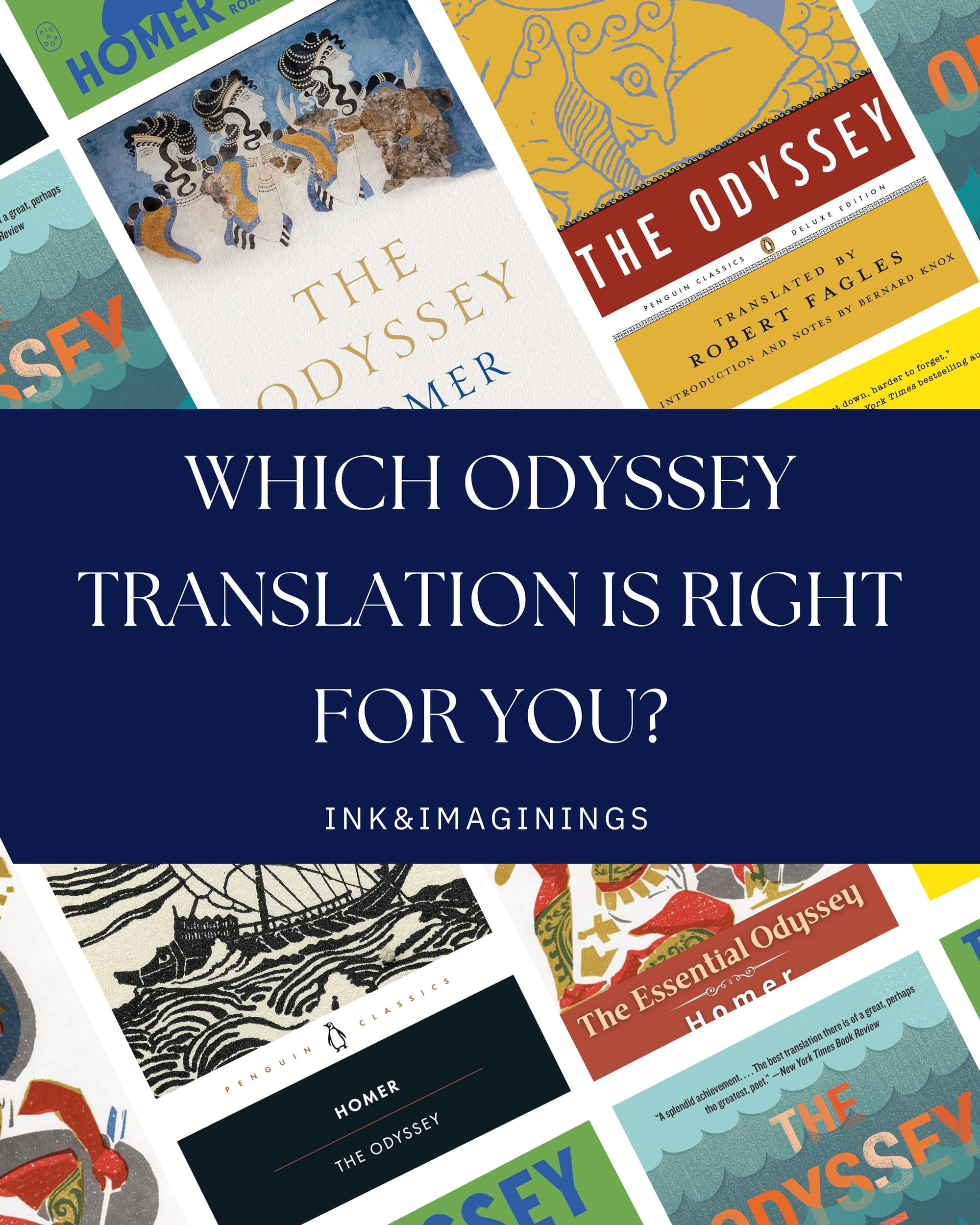
📚 How to Read The Odyssey in Two Translations at Once: the parallel read that started all of this, with a free kit to do it yourself.
Want a new great book picked for you every month? Try your first month of Book of the Month for $5
Want more reading lists like this one, plus honest takes on what is worth your time? Join the Weekly Bookmark, where I do the reading and thinking so you can just pick your next great book.