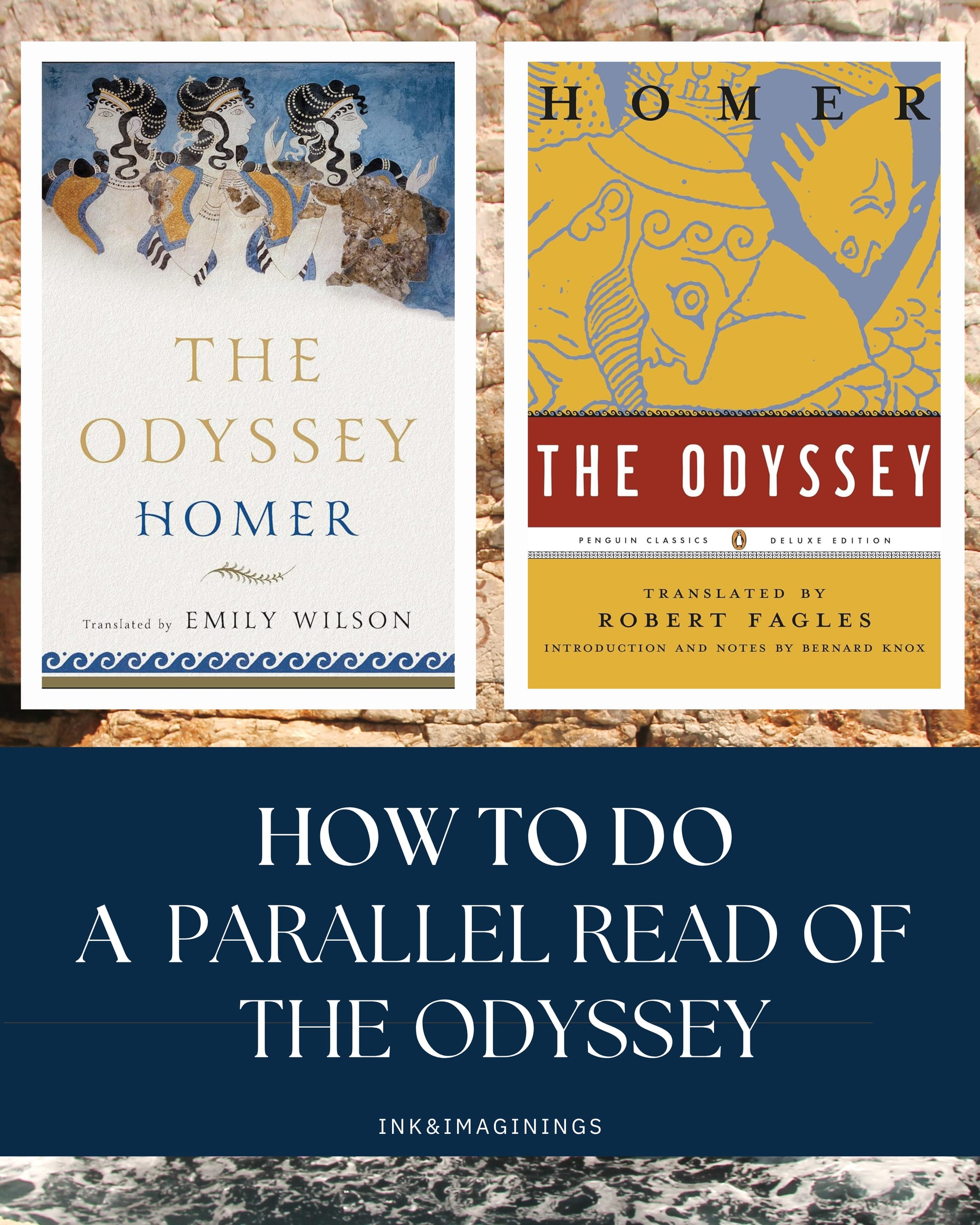
I am doing something right now that I cannot stop thinking about, and I have to tell you about it. I am reading The Odyssey in two translations at the same time, Emily Wilson's and Robert Fagles's, side by side, and it is the most fascinating way I have ever read a classic. With Christopher Nolan's film in theaters, it is the perfect moment to try it, so let me show you exactly how.
A parallel read is simple: you read the same passage in two translations and watch the same lines transform. Here is why that small act is so revealing, which two translations to use, and how to do it without it ever feeling like homework.
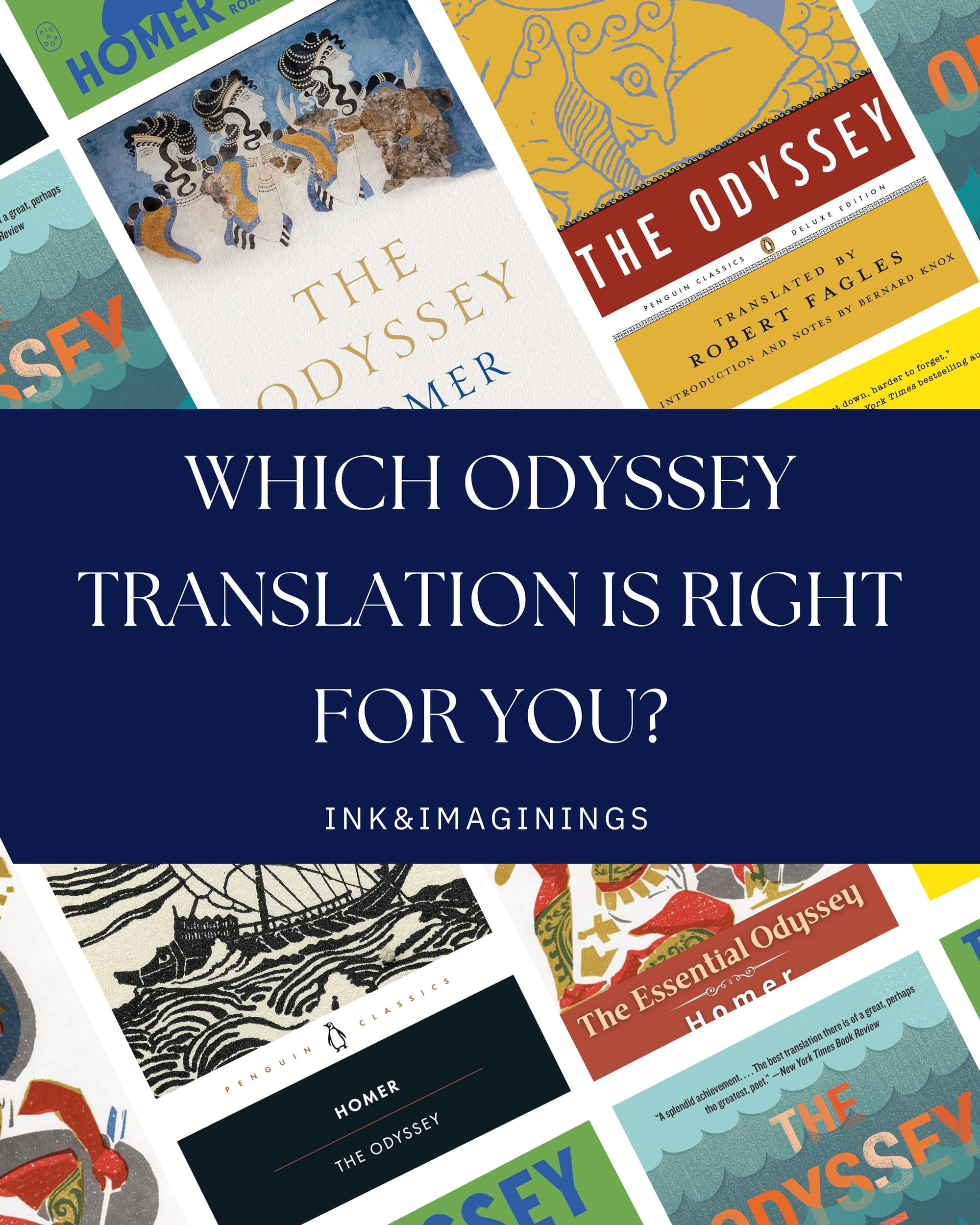
Which Odyssey Translation Is Right for You?
Heads up: this post uses affiliate links, so I earn a small commission if you shop through me, at no extra cost to you. I only recommend books I genuinely believe are worth your time.
Start With the First Line, and You Will Understand Immediately
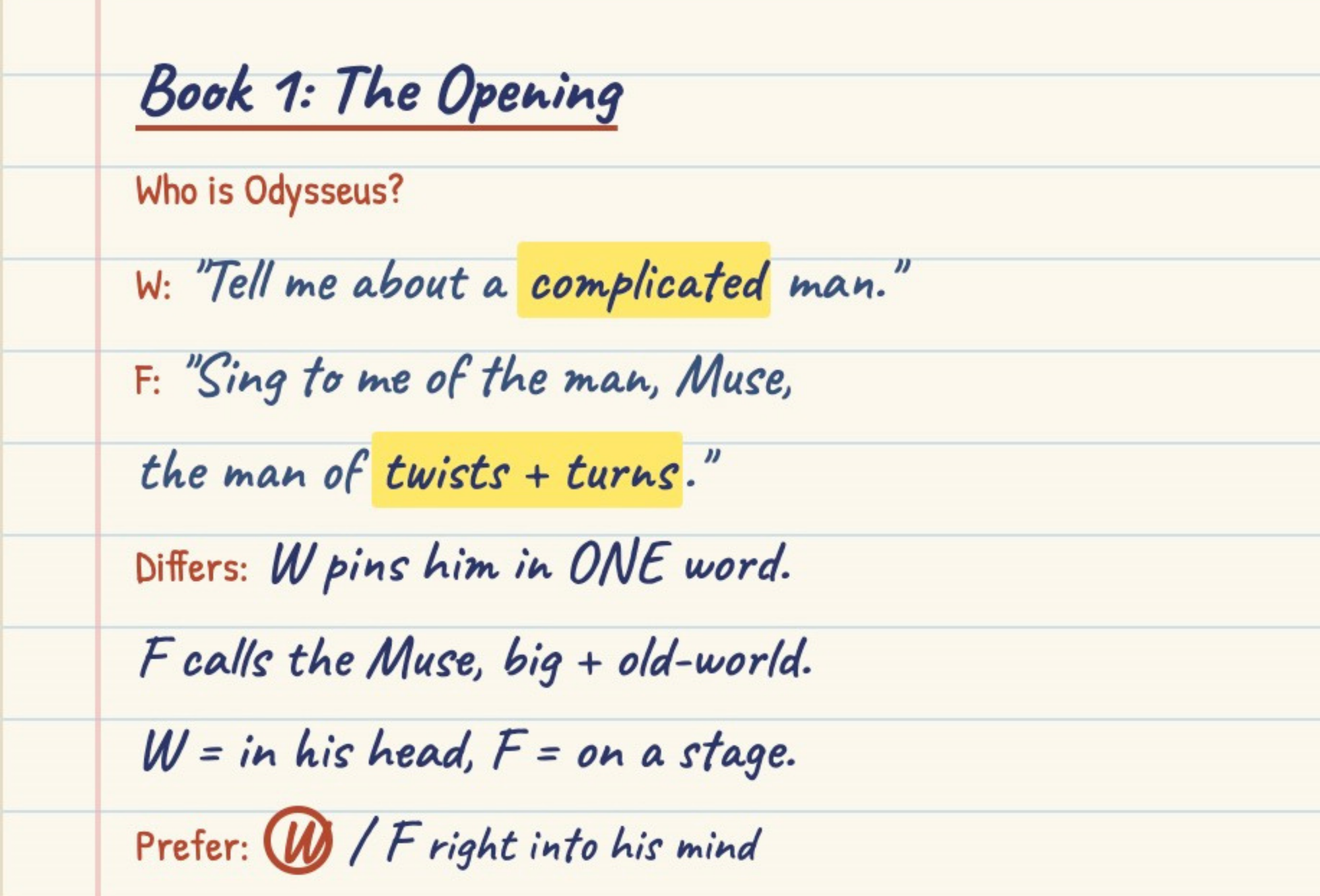
Here is the whole idea in a single example. This is how each translator renders the very first line of the poem, the introduction of Odysseus himself.
Emily Wilson: "Tell me about a complicated man."
Robert Fagles: "Sing to me of the man, Muse, the man of twists and turns."
Same Greek. Same character. Two completely different doors into the poem. Wilson is spare, modern, and psychological, and she lands the whole of Odysseus in one word: complicated. Fagles is grand, sweeping, and old-world, calling on the Muse and giving you a hero of twists and turns. Neither is wrong. They are two arguments about who this man is, and once you see that, you cannot unsee it. That is the entire pleasure of a parallel read, on repeat, for 24 books.
Why Reading Two Translations Is So Fascinating
I did not expect to love this as much as I do. Here is what you actually gain.
You realize there is no single "The Odyssey." Every translation is an interpretation, a set of choices about tone, rhythm, and meaning. Reading two at once makes that visible in a way one translation never can. You stop reading a fixed text and start watching two brilliant people make decisions.
The contrast makes each version sharper. Wilson's clarity makes you notice Fagles's grandeur. Fagles's drama makes you appreciate Wilson's restraint. Held next to each other, each translation becomes more itself, and you see what each one is choosing to do.
You catch what each translator emphasizes. Wilson is famously honest about the poem's darker corners, including how it treats its enslaved women. Fagles leans into the cinematic sweep and the emotional heat. Put side by side, their priorities light up, and you learn to read for a translator's point of view.
It slows you down in the best way. Reading a line twice, in two voices, forces you to actually notice the language instead of racing the plot. You end up reading more closely than you ever would with a single version, and the poem rewards every second of it.
Comparing two translations trains you to see how framing shapes meaning, which is one of the most useful reading skills there is.
Meet Your Two Translators
I chose Wilson and Fagles on purpose, because they are the two best modern translations and they are maximally different. That contrast is the whole point.
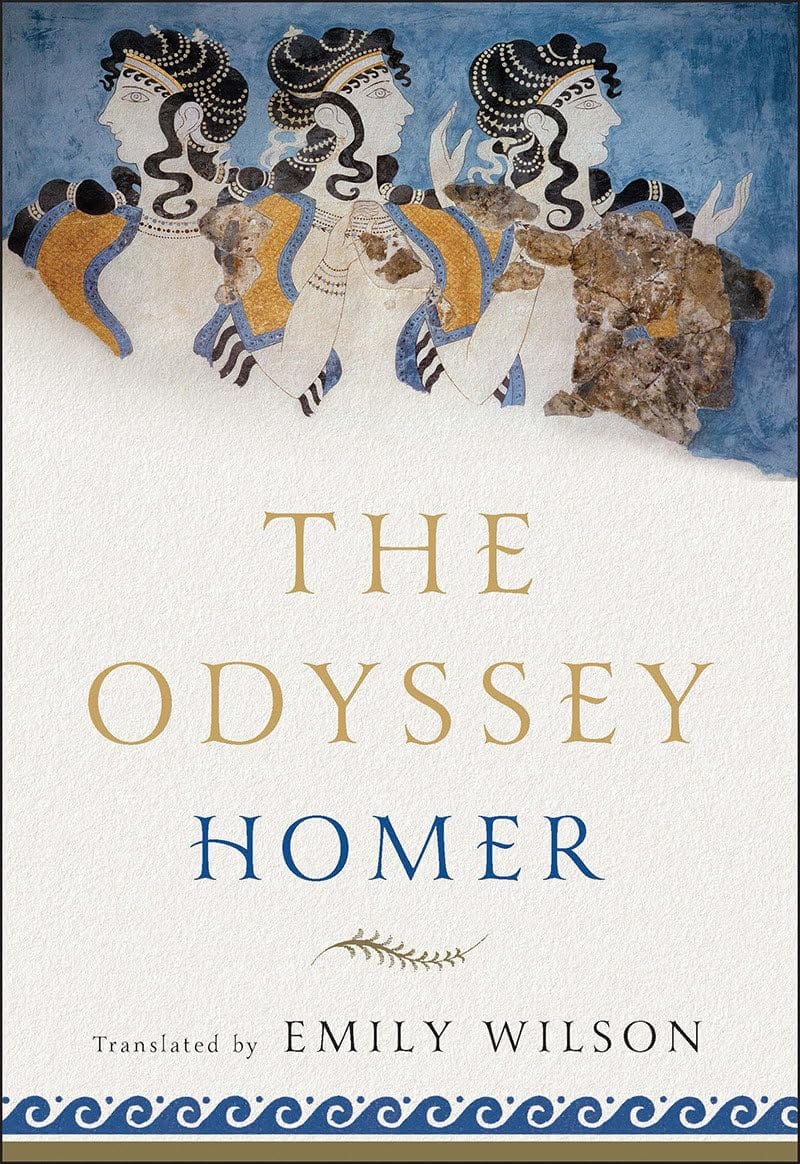
Emily Wilson (2017). Clear, fast, and modern, written in tight iambic pentameter, and the first English Odyssey by a woman. She keeps the same line count as the original and never wastes a word. The audiobook, narrated by Claire Danes, is wonderful.
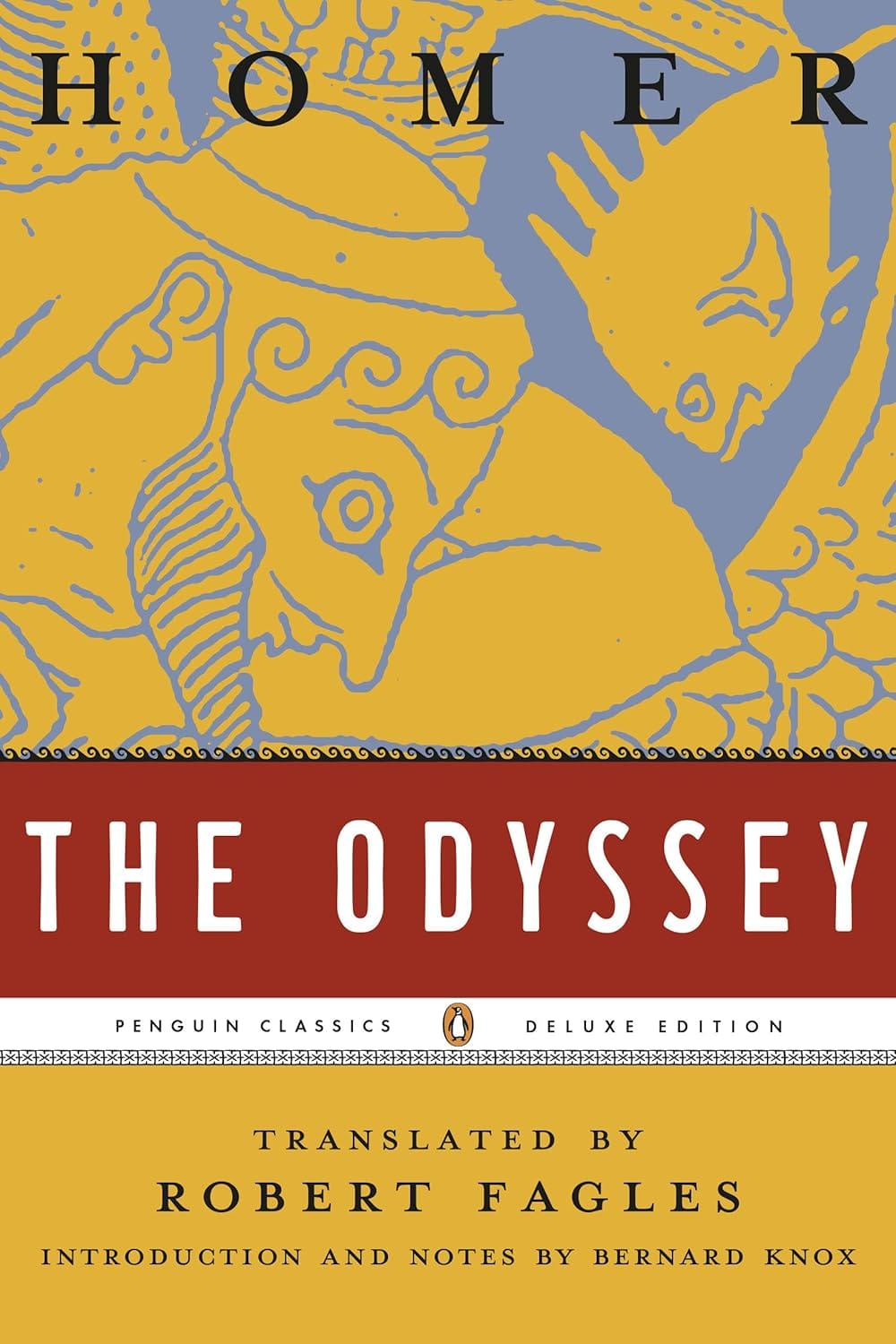
Robert Fagles (1996). Cinematic, dramatic, and grand, written in rolling free verse that has dominated classrooms for decades. It reads like a movie, which makes it a natural pairing with a Nolan film. The audiobook narrated by Ian McKellen is a genuine event.
Wilson is the tight modern lens. Fagles is the sweeping epic voice. Reading them together is like watching the same scene shot by two great directors.
How to Actually Do the Parallel Read
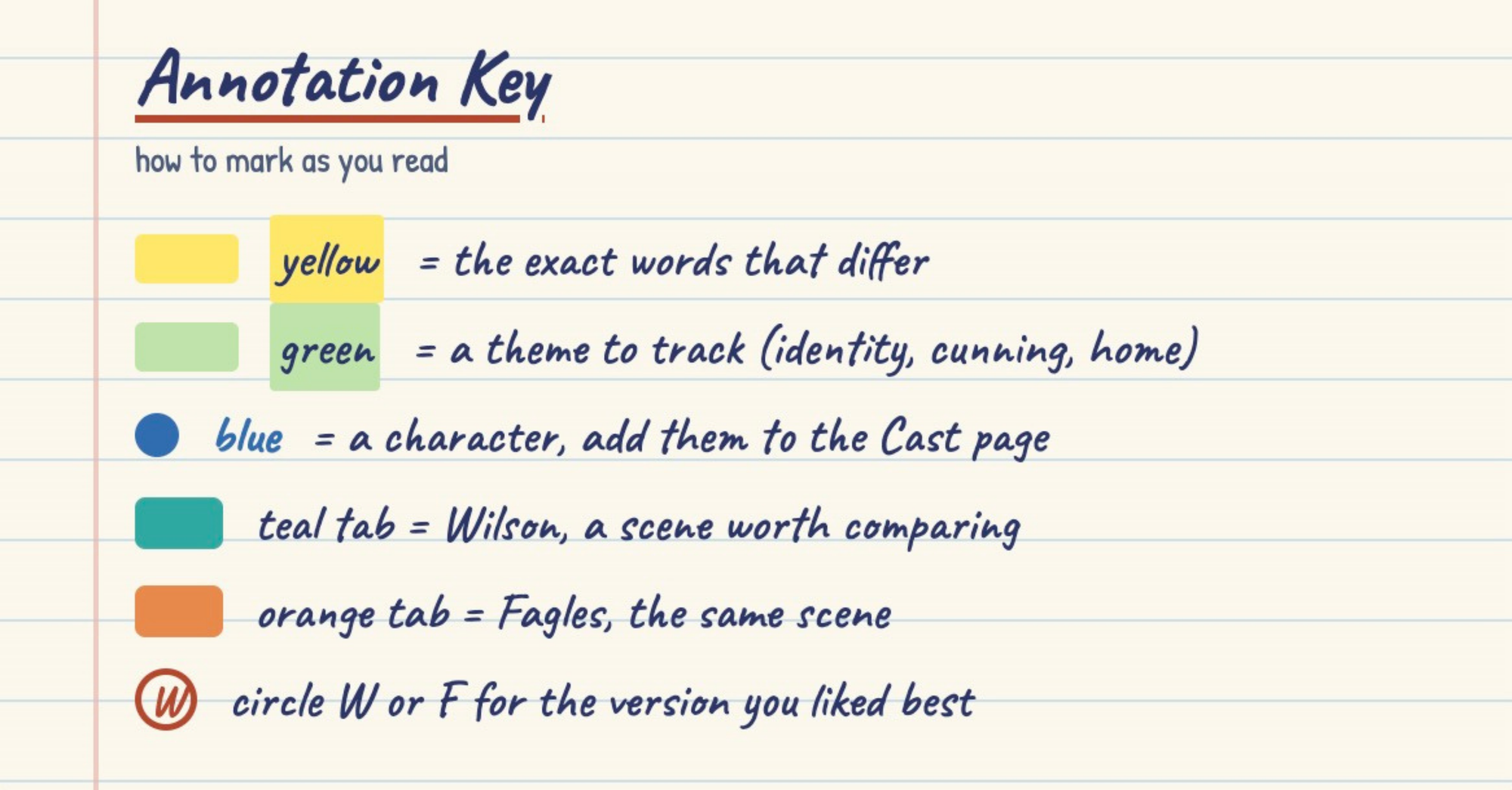
You do not need to read all 24 books twice unless you want to. Pick the method that fits your life. I built a free companion for all of them, which you can grab at the bottom. If you want to keep a journal yourself here is a an example of the annotation key I used.
The passage compare. Read a scene in one translation, then the same scene in the other. This is the richest method and the one I am using. It is slow in the best way, and the side-by-side is where all the magic lives.
The read-and-listen. My favorite for busy weeks. Read Wilson on the page and listen to Fagles through Ian McKellen, or read Fagles and listen to Wilson through Claire Danes. Two translators, two mediums, almost no effort. The two voices carry each other.
Alternate by book. Read a book in Wilson, the next in Fagles, and let the handoff keep you moving. You still feel the contrast at every switch, and you finish the whole poem once.
The greatest hits. If reading it all twice is not your season, just compare the famous passages. Even five side-by-sides will change how you read. The list is in the next section.
The Passages Worth Comparing
If you do nothing else, put these scenes side by side in Wilson and Fagles. They are where the two translations diverge most, and where the parallel read is most thrilling.
The opening invocation in Book 1. The Cyclops and the "Nobody" trick in Book 9. Circe and her potions in Book 10. The Sirens in Book 12. The old dog Argos recognizing his master in Book 17. Penelope's contest of the bow in Book 21. And the reunion at the marriage bed in Book 23.
Read each one twice, and watch how differently two great translators handle the same unforgettable moment.
Things to Help You Along the Way
Do not read line by line in lockstep. That is exhausting and it kills the momentum. Compare by scene or by chunk instead, so you get the whole shape of a passage in each voice.
Keep a note of the lines that differ most. When a single moment reads completely differently in the two versions, jot it down. Those are the spots where you learn the most about both translators, and they make incredible book club fodder.
You do not have to finish both. This is not a completion contest. Comparing a handful of passages is genuinely illuminating on its own. Let it be as deep or as light as you want.
Lean on the audiobooks. For the stretches where reading twice feels like a lot, let Danes and McKellen do the second pass for you while you cook or commute.
What This Does for the Movie
Here is the bonus. When you have read a scene in two translations, you show up to Nolan's film with two lenses on every moment he adapts. You are not comparing the movie to a single fixed text, you are comparing it to a poem you already know is open to interpretation. That makes you the most interesting person to see it with.
Want the whole story fresh in your mind first? Here is my complete plain-language summary of The Odyssey, start to finish.
Your Free Wilson and Fagles Parallel Read Kit
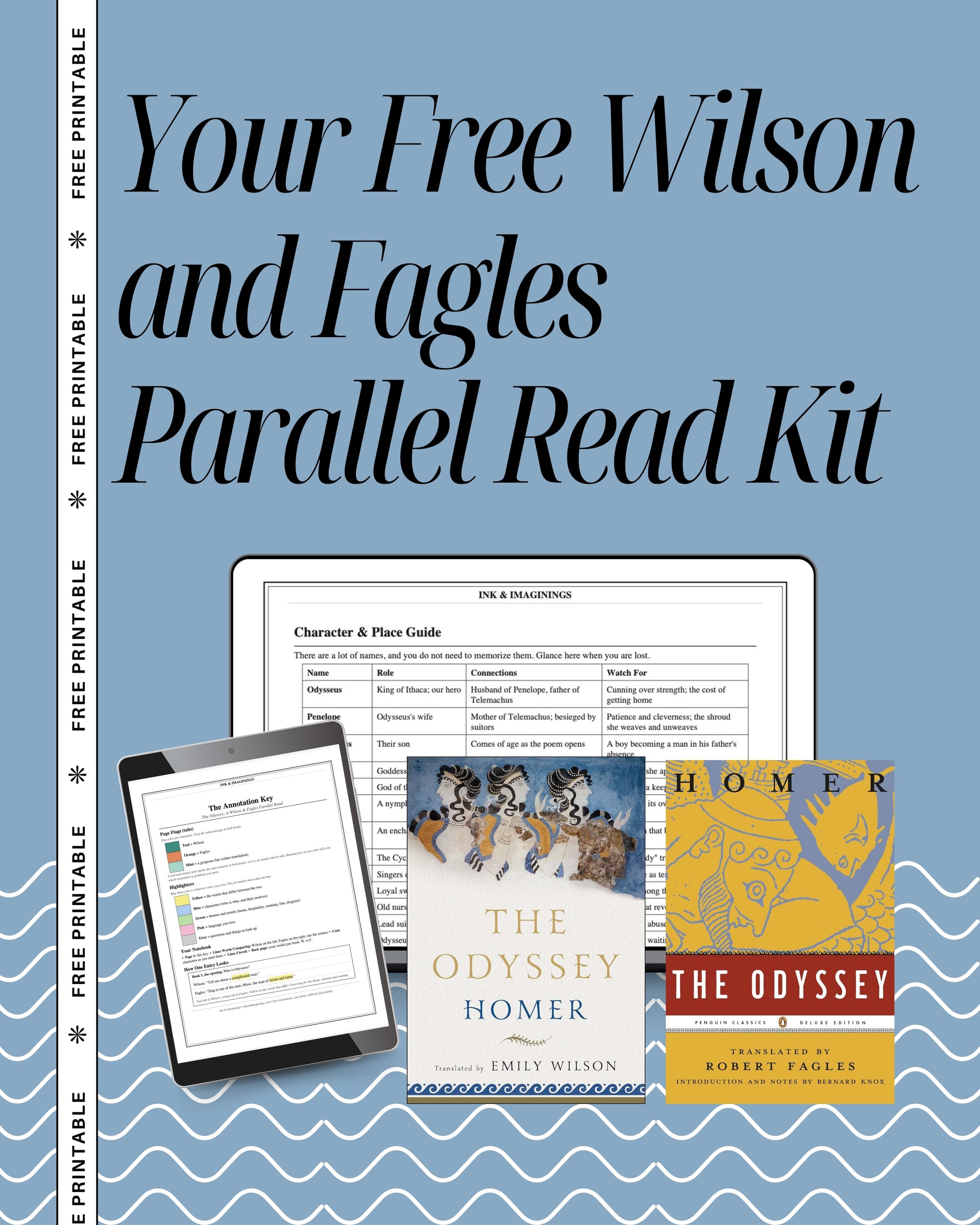
I built a free companion kit so you can do this with me, and it comes two ways. There is a clean printable PDF for anyone who loves to annotate by hand, and a Notion template with working checkboxes and a book-by-book comparison log for anyone who prefers to keep their notes digital. Both include the annotation key, the character guide, the passages worth reading twice, and the full comparison log.
It is available for free in our Reader Library.
Ready to start? Get both translations here: Emily Wilson | Robert Fagles. (Affiliate links, at no extra cost to you.)
What to Read Next
If the parallel read lit you up, here is where to go next.
📚 The Odyssey Summary: The Full Story Explained Before the Movie: the whole plot in plain language, perfect before the film.
📚 Which Odyssey Translation Is Right for You? Same ancient poem, wildly different reading experiences.
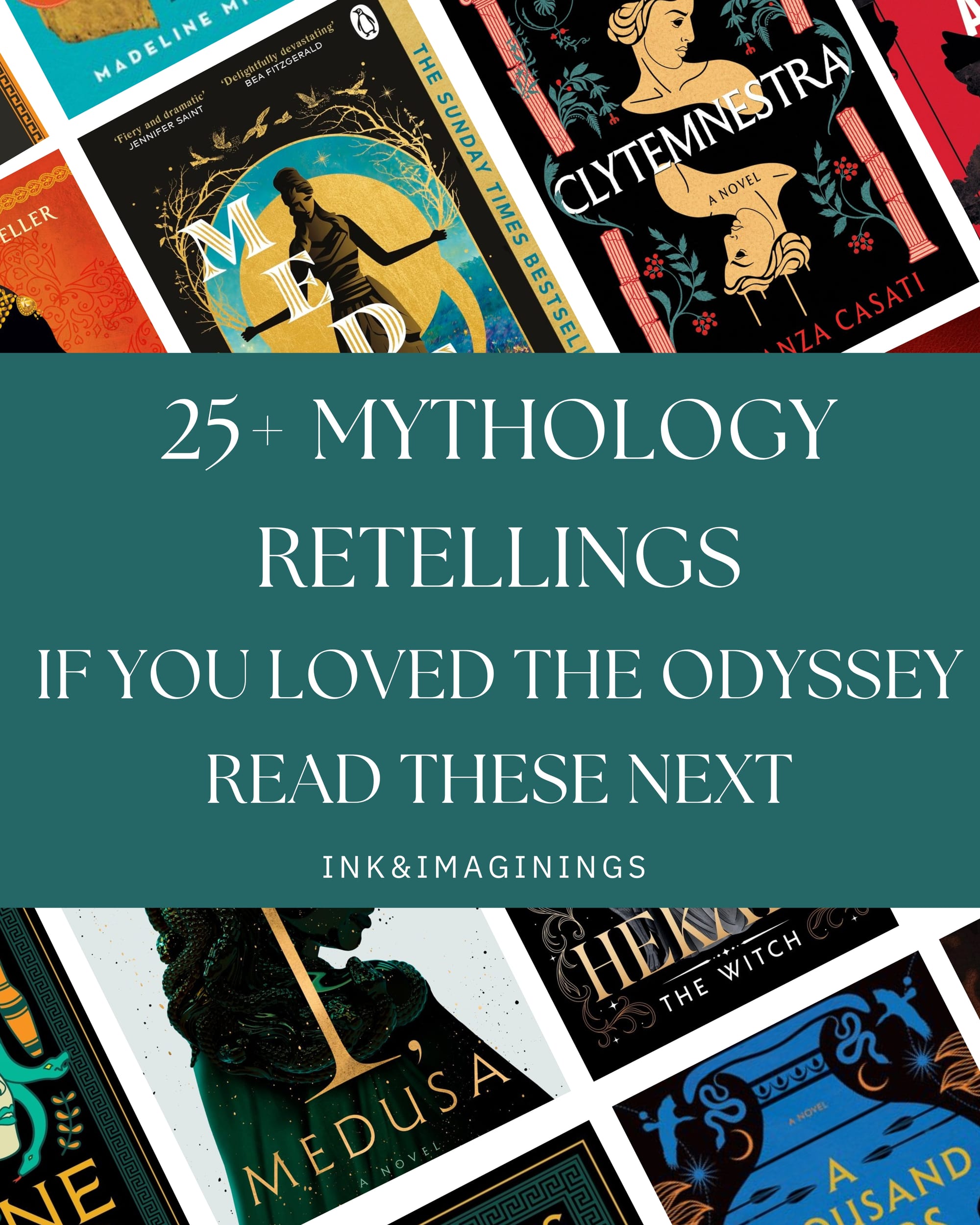
📚 25+ Mythology Retellings : where to go once you finish The Odyssey
Want more from the blog? Start here: This Month's New Book Releases
Want a new great book picked for you every month? Try your first month of Book of the Month for $5
Want more guides like this one, plus honest takes on what is worth your time? Join the Weekly Bookmark, where I do the reading and thinking so you can just pick your next great book.