Last Updated March 31, 2026
Whether you found Geralt through the Netflix show, the video games, or someone handing you a battered copy of The Last Wish and saying "trust me", you need to read the books in the right order.
The Witcher series has a specific reading sequence that isn't immediately obvious, and getting it wrong means missing character introductions, relationship foundations, and world-building that the later novels assume you already know.
This is the complete reading order for all nine Witcher books by Andrzej Sapkowski, plus guidance on where the Netflix show and video games fit, and whether you should read the newest prequel first or last.
The short answer: start with The Last Wish. Read straight through in the order below. Save Season of Storms and Crossroads of Ravens for after you finish the main saga.
This post contains affiliate links. If you sign up or make a purchase through these links, I may earn a commission at no extra cost to you.
What is The Witcher?
For the uninitiated: The Witcher follows Geralt of Rivia, a monster hunter with supernatural abilities in a world that draws heavily from Slavic mythology and Eastern European folklore.
Witchers are mutants. Humans altered through brutal trials and magical elixirs to become faster, stronger, and more resilient than ordinary people. In exchange, they've sacrificed a normal life.
The series began in 1986 when Polish author Andrzej Sapkowski entered a short story called "The Witcher" into a contest run by the Polish fantasy magazine Fantastyka. He placed third. Reader response was so strong that he wrote fourteen more short stories and then a five-novel saga. The books have sold millions of copies worldwide, spawned a massive video game franchise from CD Projekt Red, a Netflix television series, and have been translated into dozens of languages.
The world Sapkowski built is dark, morally complex, and has more in common with grimdark fantasy than traditional high fantasy. Fairy tales are subverted. Monsters aren't always the things with claws. And the hero is defined more by pragmatism and weariness than nobility.
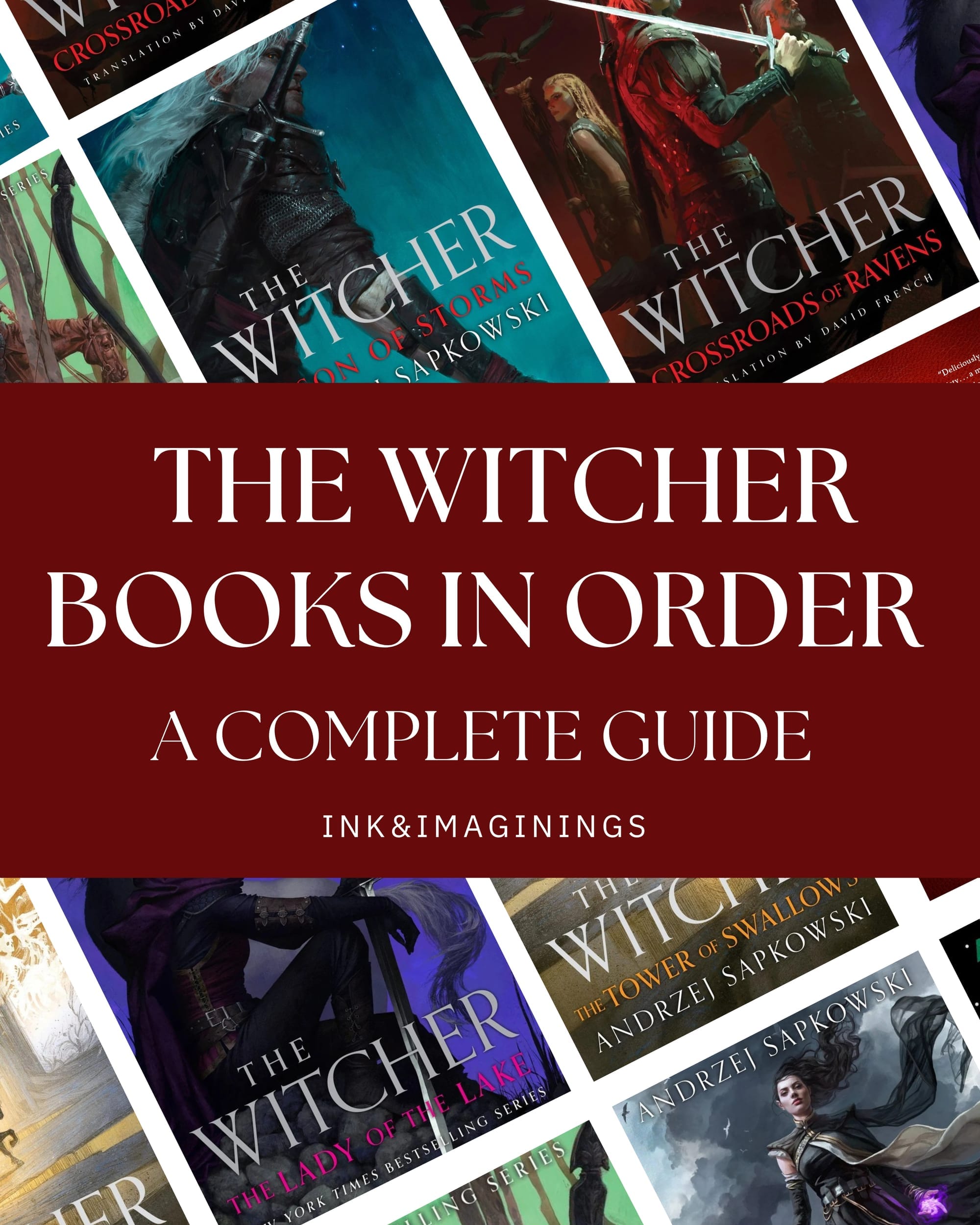
The Witcher books in order (recommended reading order)
Read these in the order listed below. This is the order that gives you the best experience. It's chronological for the main saga, with the two standalone prequels saved for after you've finished the core story.
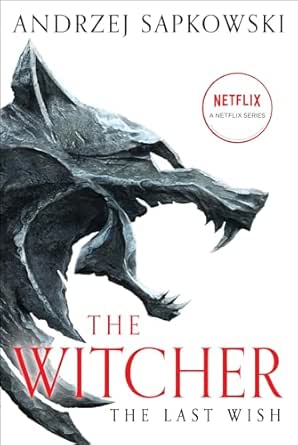
1. The Last Wish (short story collection, 1993)
This is where you start. No exceptions. The Last Wish is a collection of interconnected short stories that introduce Geralt, his world, and the characters who will matter for the next seven books. You'll meet Yennefer (the sorceress who becomes the love of Geralt's life), Dandelion (his bard companion), and are introduced to the moral complexity that defines the entire series.
Each story reworks a classic fairy tale so we have cursed princesses, beauty and the beast, genies granting wishes... but Sapkowski twists them into something darker and more human. "The Last Wish" is the story that gives the book its title, and it's also the story that binds Geralt and Yennefer's fates together in a way that echoes through every subsequent book.
Do not skip this and jump to the novels. The novels assume you've read these stories and you will be missing so much important back story.
📖 Buy on Amazon | Buy on Bookshop.org | 🎧 Listen Libro.fm
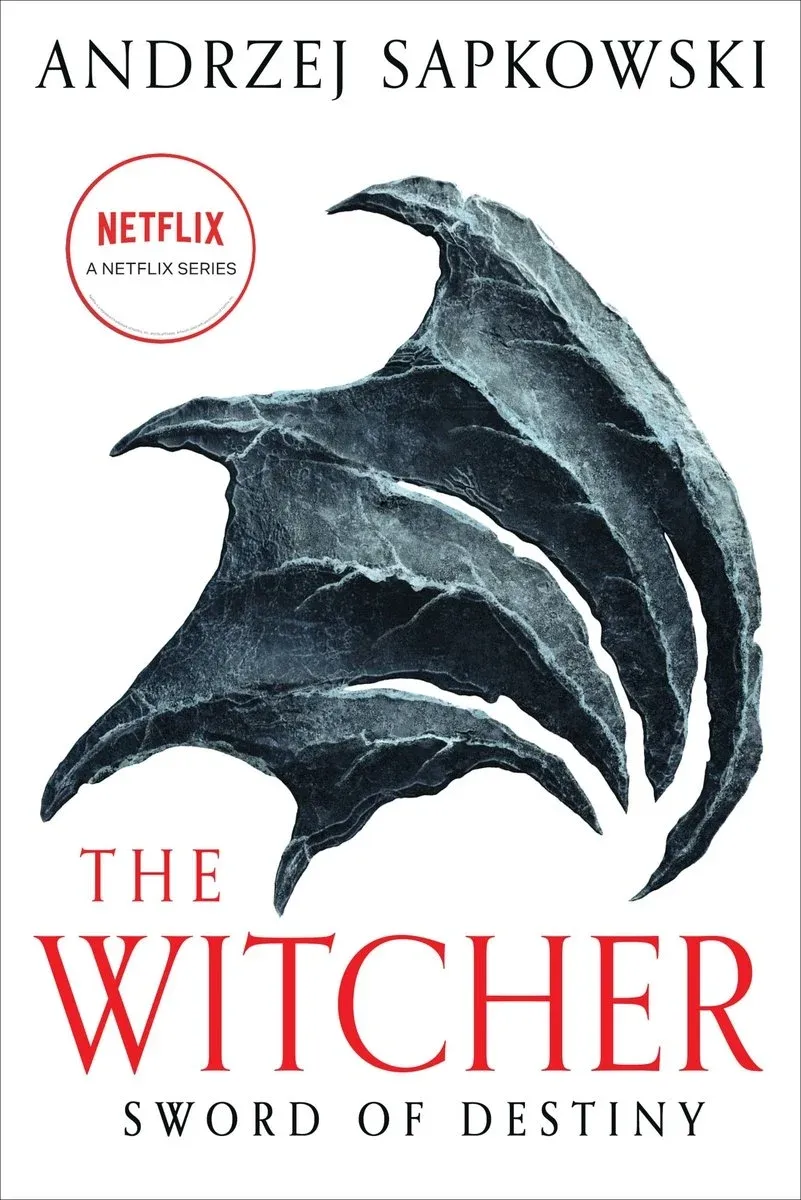
2. Sword of Destiny (short story collection, 1992)
The second short story collection, and arguably where the series truly finds its emotional core. This is where Geralt meets Ciri for the first time. The story "Something More" is one of the most important pieces in the entire Witcher canon. It establishes the concept of destiny that drives everything that follows.
Sword of Destiny also deepens Geralt and Yennefer's complicated relationship and introduces the idea that Geralt is more than just a monster hunter for hire. He's someone destiny has plans for, whether he likes it or not.
📖 Buy on Amazon | Buy on Bookshop.org | 🎧 Listen Libro.fm
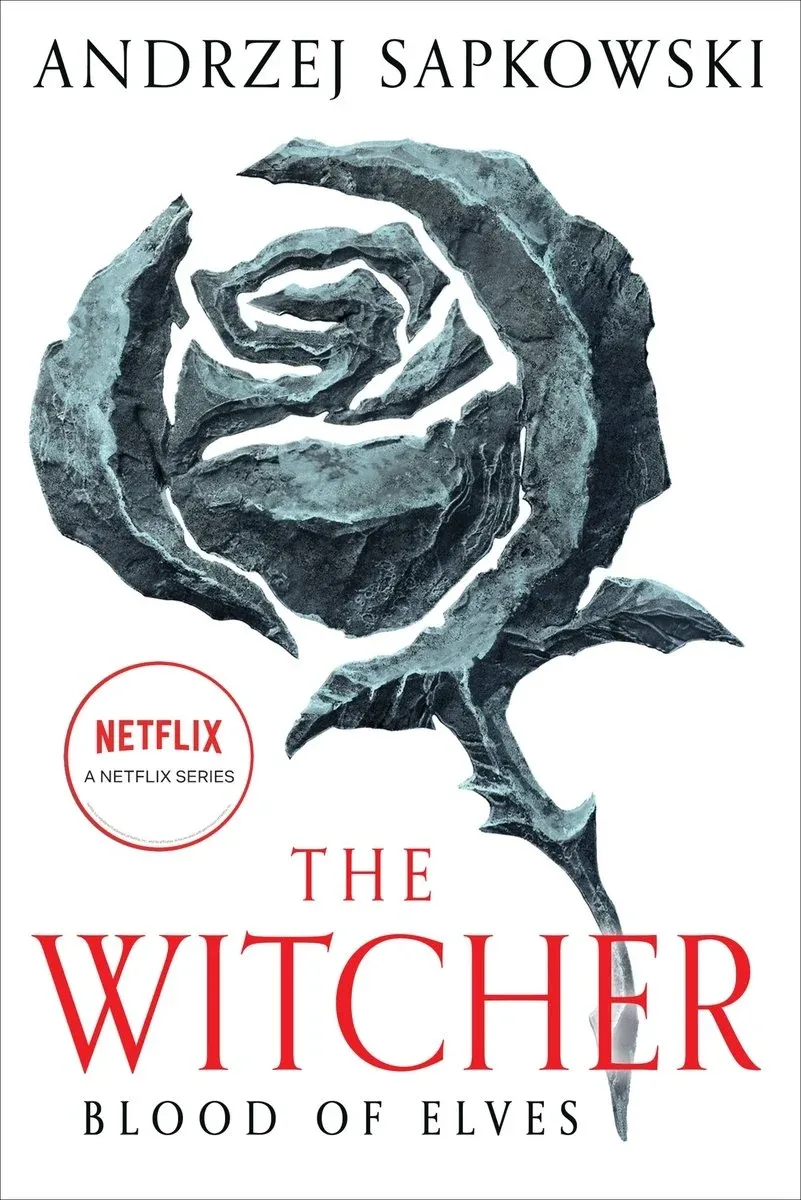
3. Blood of Elves (novel, 1994)
The first full novel and the beginning of the Witcher Saga proper. Geralt takes Ciri to Kaer Morhen, the witchers' fortress, to train and protect her. The world is at war, and Ciri is being hunted for her Elder Blood. A magical lineage that makes her immensely powerful and valuable to multiple factions.
Blood of Elves shifts from standalone adventures to a connected narrative with political intrigue, war, and the growing father-daughter relationship between Geralt and Ciri that becomes the emotional backbone of the series.
📖 Buy on Amazon | Buy on Bookshop.org | 🎧 Listen Libro.fm
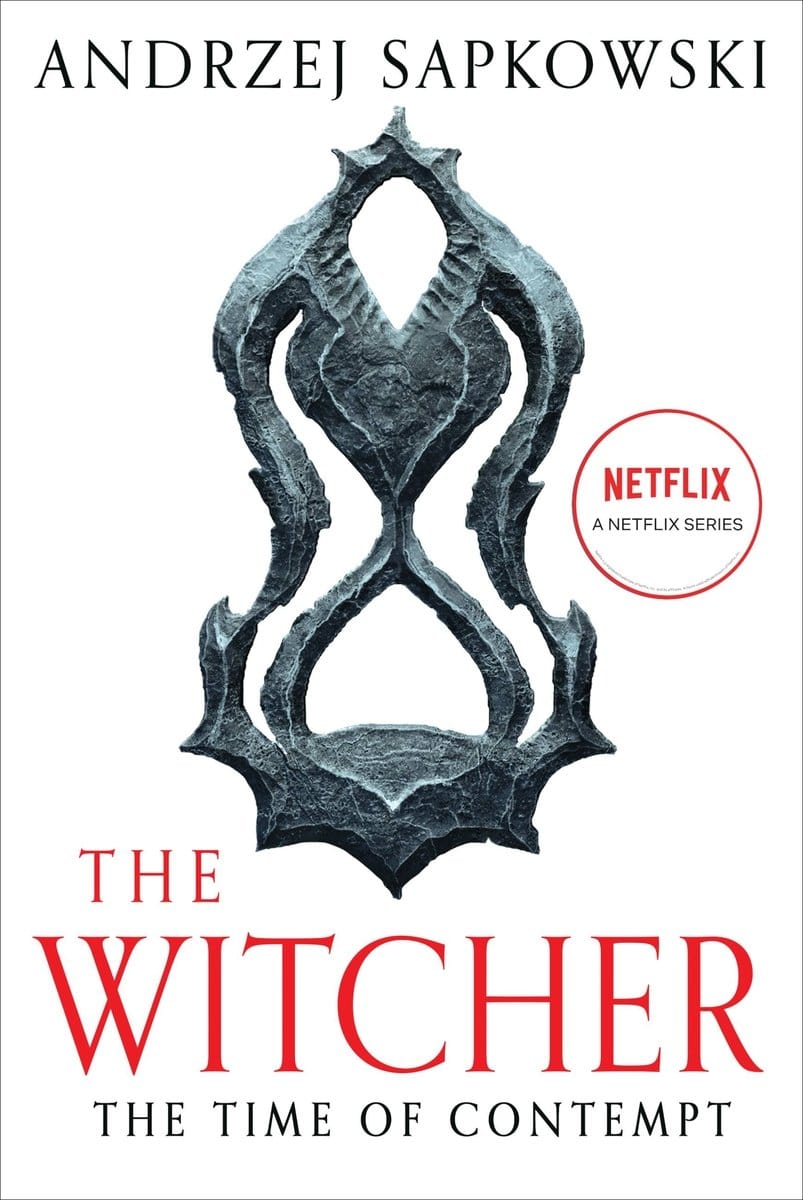
4. Time of Contempt (novel, 1995)
The scope widens dramatically. The war between the Northern Kingdoms and the Nilfgaardian Empire escalates. A coup at a gathering of mages on Thanedd Island separates Geralt from Ciri, and she's thrust into a dangerous world on her own. This is where the saga stops being a character study and becomes an epic.
Time of Contempt is also where Sapkowski's political world-building hits full stride. The machinations of kings, mages, and spies become as dangerous as any monster.
📖 Buy on Amazon | Buy on Bookshop.org | 🎧 Listen Libro.fm

5. Baptism of Fire (novel, 1996)
Geralt forms a misfit company of companions and sets out to find Ciri. Meanwhile, Ciri is surviving on her own in ways that test everything she's learned. The dynamic between Geralt's quest and Ciri's parallel journey is what gives this book its tension.
Baptism of Fire is a road novel at heart, and some of the best character work in the series happens during the journey. The companions Geralt gathers here become essential to the story's conclusion.
📖 Buy on Amazon | Buy on Bookshop.org | 🎧 Listen Libro.fm
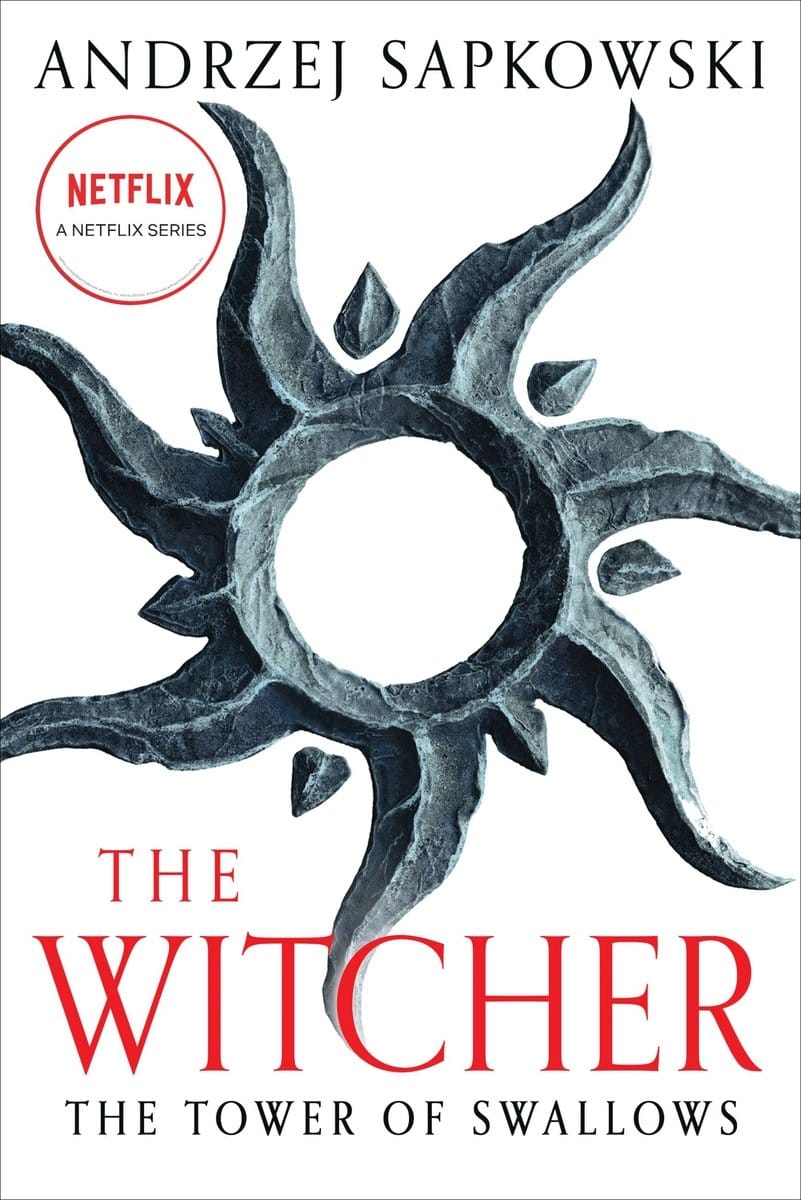
6. The Tower of Swallows (novel, 1997)
The penultimate novel in the saga. The narrative structure becomes more complex, with multiple timelines and perspectives converging. Ciri's story takes center stage as she confronts the people hunting her and the destiny she's been running from.
This is the most structurally ambitious book in the series, and it rewards careful reading. Sapkowski weaves together testimony, flashback, and parallel narratives in a way that can feel challenging but pays off enormously.
📖 Buy on Amazon | Buy on Bookshop.org | 🎧 Listen Libro.fm
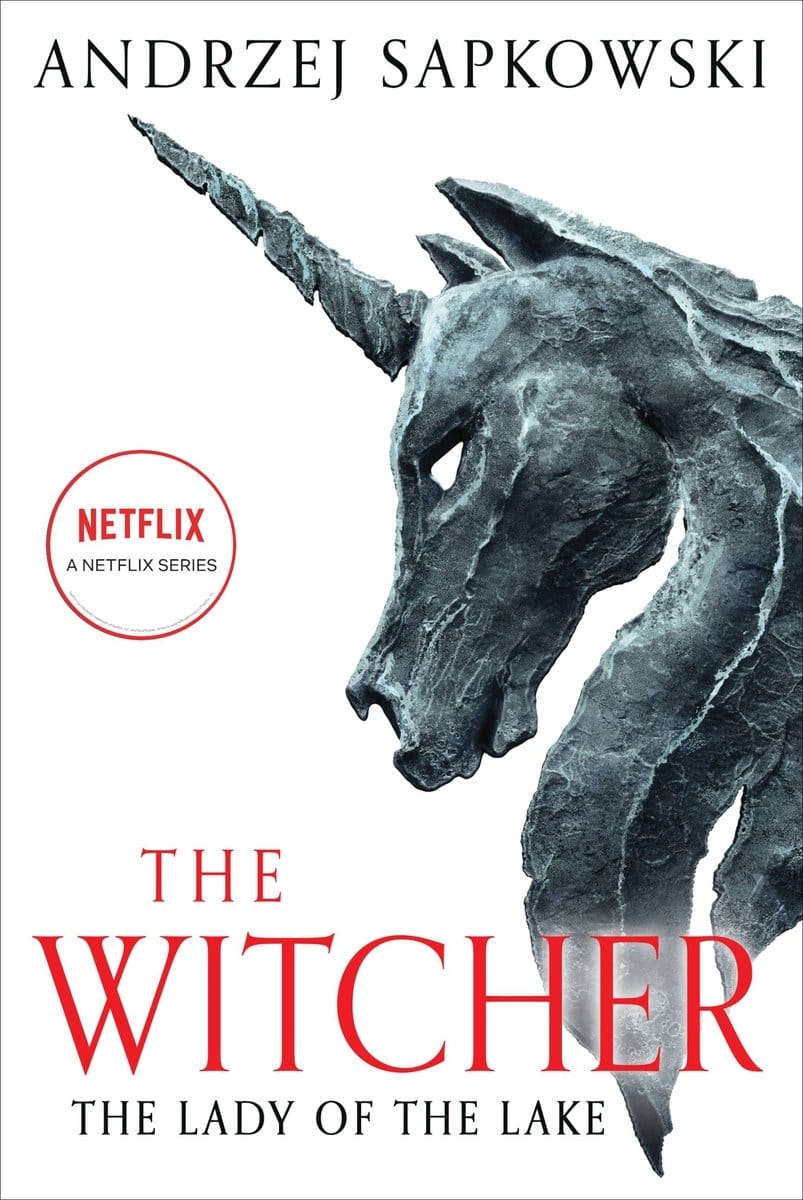
7. The Lady of the Lake (novel, 1999)
The conclusion to the Witcher Saga. All threads converge. Every character arc reaches its resolution. Ciri's destiny, Geralt and Yennefer's love story, and the fate of the Continent are all decided here.
The Lady of the Lake features an unconventional narrative structure that some readers love and others find challenging. Sapkowski uses framing devices, nested narratives, and time jumps. But it provides definitive closure to the saga and delivers an ending that has been debated passionately by fans for over two decades.
📖 Buy on Amazon | Buy on Bookshop.org | 🎧Listen Libro.fm
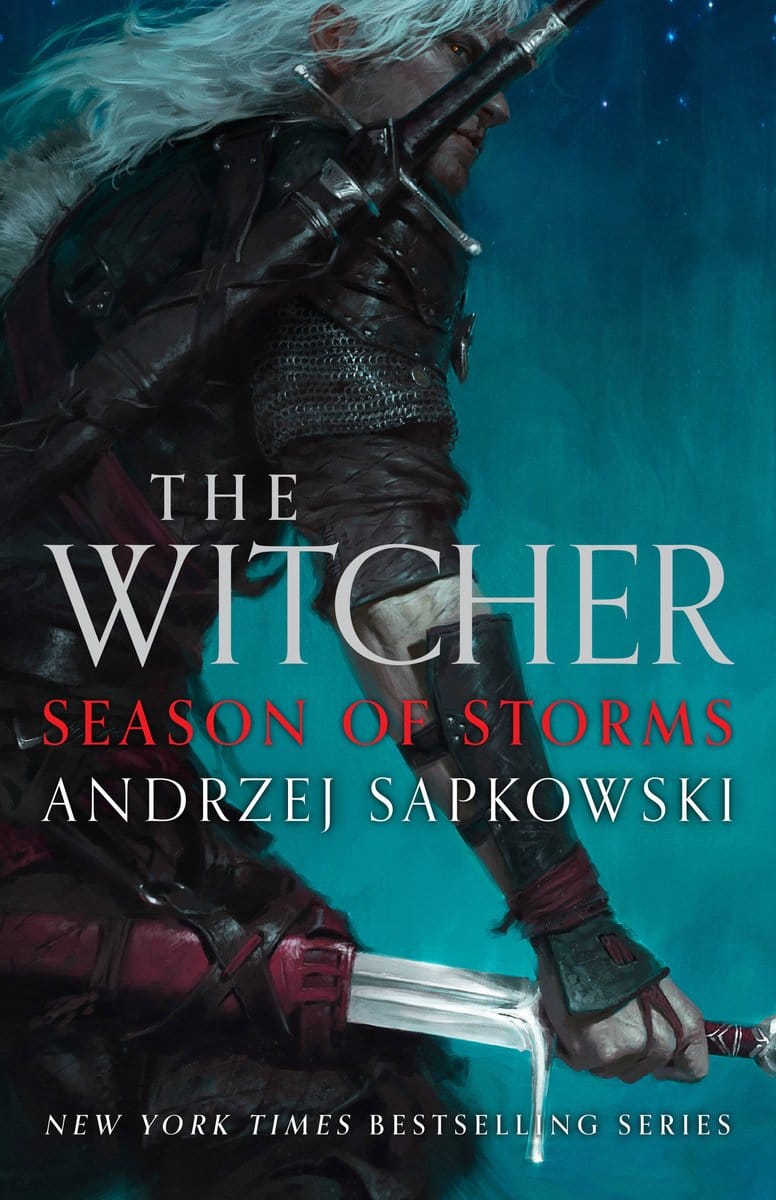
8. Season of Storms (standalone prequel, 2013)
Published fourteen years after The Lady of the Lake, Season of Storms is set chronologically between the short stories in The Last Wish. It follows Geralt on a standalone adventure. Lighter in tone than the later saga novels, with more monster-hunting action and less political intrigue.
Read this after the main saga, not before. Even though it takes place earlier in the timeline, it was written last and contains an epilogue that reflects on and spoils events from the entire series. It's a satisfying return to the world after the intensity of the saga, like catching up with an old friend.
📖 Buy on Amazon | Buy on Bookshop.org | 🎧Listen Libro.fm
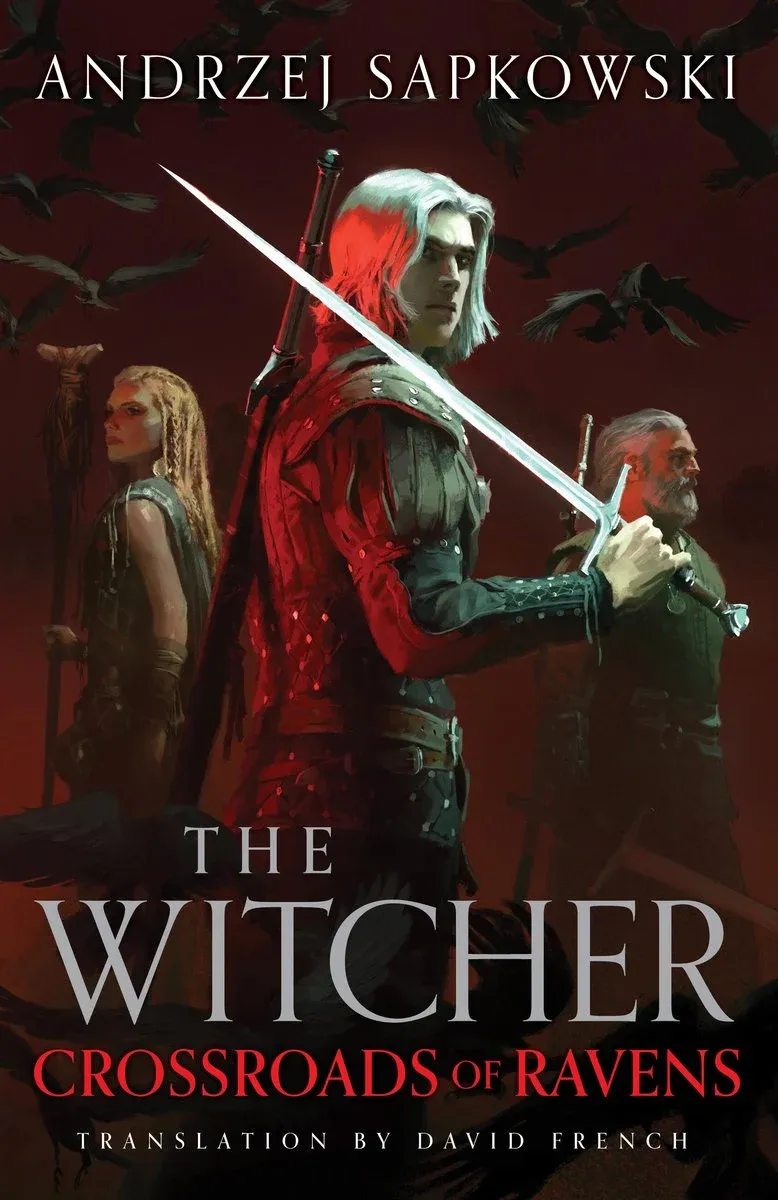
9. Crossroads of Ravens (standalone prequel, 2024)
The newest Witcher book, published in November 2024. This prequel follows a young, inexperienced Geralt shortly after completing his witcher training at Kaer Morhen. It's the earliest point in Geralt's timeline that we've seen in the books.
Like Season of Storms, save this for after the main saga. Reading it before the other books would give you a version of Geralt who hasn't yet become the character the series is actually about.
📖 Buy on Amazon | Buy on Bookshop.org | 🎧 Listen Libro.fm
Should you read The Witcher books before watching the show?
The Netflix show, which premiered in 2019 with Henry Cavill as Geralt and "continued" with Liam Hemsworth taking over the role in Season 4 (2025), remixes and reorders events from the books significantly. Season 1 covers stories from both short story collections in a non-linear timeline. Later seasons adapt the novels but take considerable liberties with the source material.
Reading the books first gives you a much deeper understanding of the characters, their motivations, and the political landscape. The show assumes some familiarity with the world but doesn't always explain things as thoroughly as the books do. If you enjoy the show and want to understand what's really happening beneath the surface, the books are essential.
That said, the show and the books are different enough that neither spoils the other completely. You can enjoy both. Just know that the books are the definitive version of the story.
Should you read the books before playing the games?
The CD Projekt Red games (The Witcher, The Witcher 2: Assassins of Kings, The Witcher 3: Wild Hunt) are set after the events of the books. Sapkowski considers them non-canonical, but many fans treat them as a continuation of the story.
The Witcher 3 in particular is loaded with references to events, characters, and relationships from the books. Playing it before reading will spoil major saga events, including the ending. If you're planning to do both, read the books first, the games are richer and more emotionally resonant when you understand the full history.
The upcoming Witcher 4 (in development by CD Projekt Red) is expected to continue expanding the game universe, making the books more relevant than ever for understanding the world.
Quick reference: publication order vs. reading order
The Witcher books were not published in chronological order, which is why the reading order matters. Here's the comparison:
Publication order:
The Last Wish (1993) short story collection, the original entry point
Sword of Destiny (1992 in Polish, translated to English after The Last Wish) short story collection
Blood of Elves (1994) novel, begins the Witcher Saga
Time of Contempt (1995) novel
Baptism of Fire (1996) novel
The Tower of Swallows (1997) novel
The Lady of the Lake (1999) novel, concludes the Witcher Saga
Season of Storms (2013) standalone prequel
Crossroads of Ravens (2024) standalone prequel
Recommended reading order:
1. The Last Wish: start here, no exceptions
2. Sword of Destiny: introduces Ciri and deepens the world
3. Blood of Elves: the saga begins
4. Time of Contempt: the war escalates
5. Baptism of Fire: Geralt's quest for Ciri
6. The Tower of Swallows: the most structurally ambitious entry
7. The Lady of the Lake: the conclusion
8. Season of Storms: read AFTER the saga (contains epilogue spoilers)
9. Crossroads of Ravens: read AFTER the saga (follows a young Geralt)
The reading order and publication order are nearly identical. The key point is saving Season of Storms and Crossroads of Ravens for after the main saga even though they take place earlier chronologically.
If you love The Witcher, read these next
If the Witcher's blend of dark fantasy, morally complex characters, and subverted fairy tales is your thing, here are some series that hit similar notes:
A Court of Thorns and Roses by Sarah J. Maas: fae courts, political intrigue, and romance woven through a Beauty and the Beast retelling. If you liked the fairy tale subversion in The Last Wish, ACOTAR takes a similar approach in a different direction. Check our ACOTAR reading order and Books Like ACOTAR for more.
Fourth Wing by Rebecca Yarros: a dragon rider military academy with enemies-to-lovers tension. Different tone from The Witcher but shares the "brutal training, dangerous world, complicated loyalties" energy. See our Fourth Wing reading order and Books Like Fourth Wing.
The First Law by Joe Abercrombie: if you love Sapkowski's cynicism and moral ambiguity, Abercrombie is the closest modern equivalent. Grimdark fantasy at its best. Start with The Blade Itself.
Frequently asked questions
What order should I read The Witcher books? Start with The Last Wish, then Sword of Destiny, followed by the five-novel saga: Blood of Elves, Time of Contempt, Baptism of Fire, The Tower of Swallows, and The Lady of the Lake. Save the standalone prequels Season of Storms and Crossroads of Ravens for after the main saga.
How many Witcher books are there? There are nine Witcher books by Andrzej Sapkowski: two short story collections, five novels in the main saga, and two standalone prequel novels (Season of Storms and Crossroads of Ravens).
Should I read The Witcher books before watching the Netflix show? Reading the books first gives you a much deeper understanding of the characters and world. The Netflix show remixes and reorders events significantly, so the books provide context the show doesn't always explain. However, the two are different enough that neither completely spoils the other.
Should I read The Witcher books before playing the games? Yes, if possible. The games are set after the books and contain major spoilers for the saga's ending. The Witcher 3 in particular is far more rewarding when you understand the book events it references.
Can I skip the short story collections and start with Blood of Elves? No. The short story collections (The Last Wish and Sword of Destiny) introduce Geralt, Yennefer, Ciri, and Dandelion and establish the relationships the novels assume you already know. Skipping them is the most common mistake new readers make.
Should I read Season of Storms first since it takes place early in the timeline? No. Despite its early chronological setting, Season of Storms was written last and contains an epilogue that spoils and reflects on events from the entire saga. Always read it after The Lady of the Lake.
Is the Witcher series finished? The main saga concluded with The Lady of the Lake in 1999. Sapkowski has since published two standalone prequels: Season of Storms (2013) and Crossroads of Ravens (2024). There is no announced continuation of the main saga beyond the existing novels.