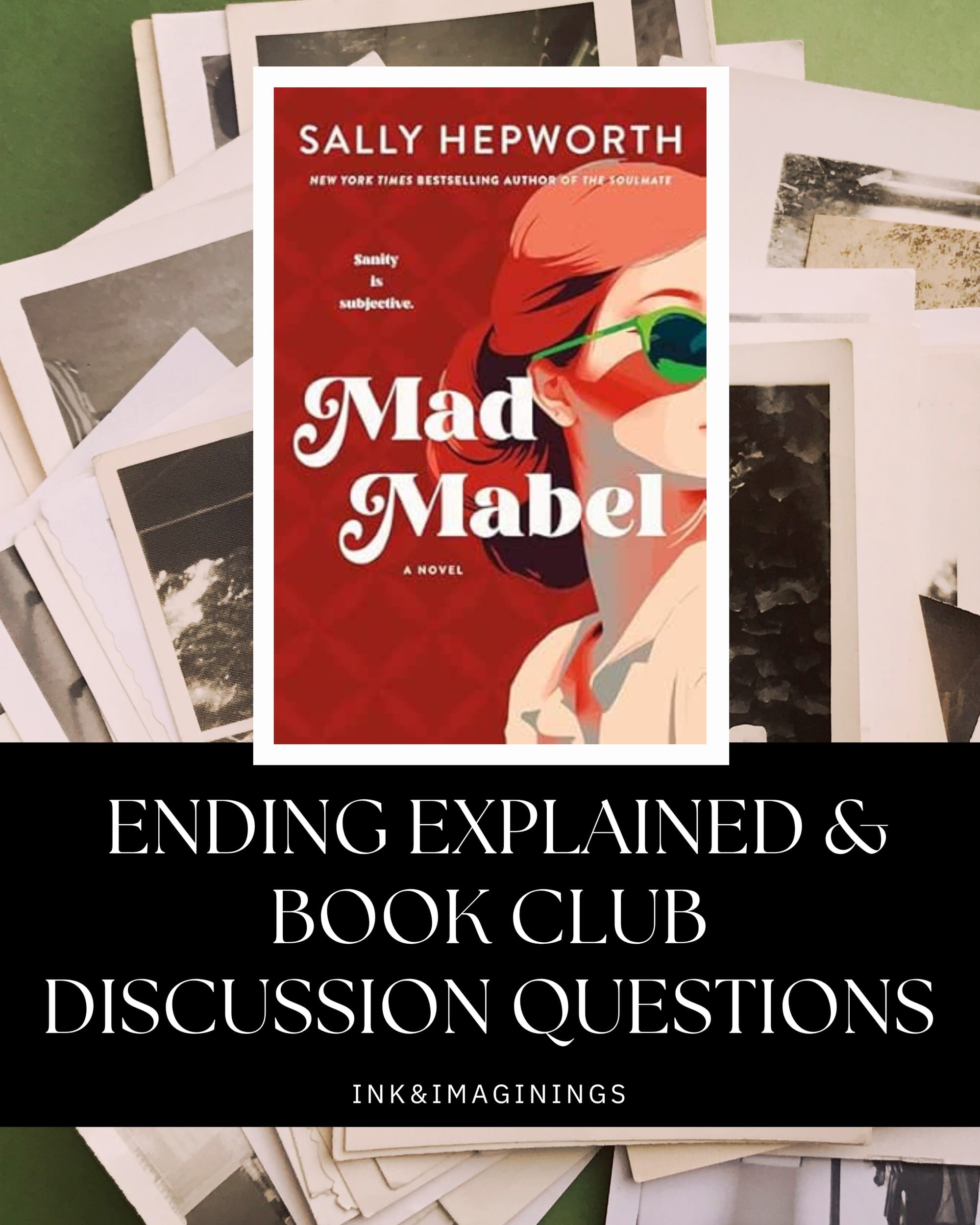
Mad Mabel is the kind of book that makes you furious on behalf of a character and then makes you question whether you should be. An 81-year-old woman living quietly on a Melbourne street is thrust back into the spotlight when her neighbour dies and her past as the youngest Australian ever convicted of murder resurfaces. But this isn't a whodunit about an old woman who might have killed her neighbour. It's a story about how a girl became "Mad Mabel" in the first place and whether she ever had a chance.
Sally Hepworth uses a dual timeline to peel back decades of trauma, reputation, and the stories we tell about women who don't fit the mold. If your book club is reading this, there are discussion questions at the bottom of this post.
⚠️ MAJOR SPOILER WARNING: Full spoilers for Mad Mabel by Sally Hepworth ahead. If you haven't read it yet, this will ruin every twist. You've been warned.
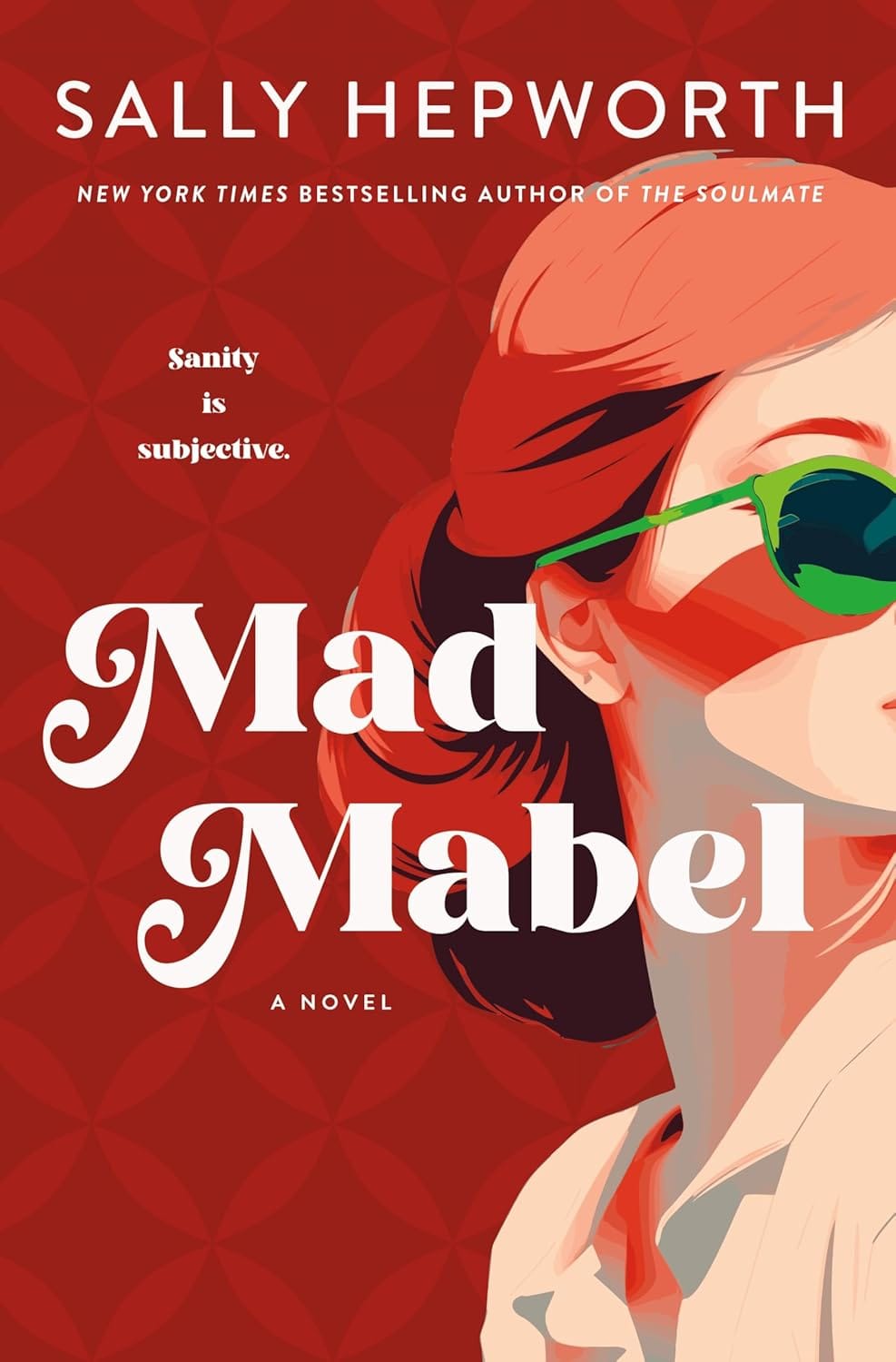
Mad Mabel by Sally Hepworth Book Cover
📖 Buy on Amazon | Buy on Bookshop.org | 🎧 Listen on Audible
Mad Mabel Full Plot Summary
Present Day: Kenny Lane
Elsie Fitzpatrick is 81 years old, sharp-tongued, and quietly living on Kenny Lane in Melbourne. Her neighbours are a cast of eccentrics: Peter the Greek next door, litigious Joan, sex-positive single mother Roxanne, and Roxanne's precocious daughter Persephone, who has latched onto Elsie as a surrogate grandmother.
When Ishaan, Elsie's long-standing nemesis on the street, is found dead, Elsie becomes the prime suspect. Not just because she discovered the body, but because someone has slipped an old news article under her door. The article reveals what her neighbours never knew: Elsie Fitzpatrick was once Mabel Waller, the youngest Australian ever convicted of murder. "Mad Mabel."
The police descend. Journalists follow. True crime podcasters and YouTubers set up camp. Elsie's carefully constructed anonymity. Decades of hiding in plain sight is shattered overnight.
Past: Mabel's Childhood at Rosehill
The second timeline rewinds to Mabel's childhood at Rosehill, the grand family estate. Her father Elliott is cold, controlling, and obsessed with the house. Her mother is beautiful, fragile, and descending into alcoholism. Mabel is lonely, bookish, and blamed for the death of her baby sister Kitty. A death that was actually caused by polio, likely contracted from Mabel, though the circumstances are ambiguous.
Her father's insistence that Mabel killed Kitty becomes a lifelong sentence. The label "Mad Mabel" begins here. Not from anything Mabel did, but from what her father tells people she was.
Mabel's only solace is Daphne Barton, a quirky, loyal friend who becomes her lifeline during years of isolation. When Daphne moves away, Mabel invents an imaginary version of her to fill the void. A coping mechanism that persists into adulthood and complicates the narrative's reliability.
The Unraveling
Mabel's mother dies by suicide. Mabel is taken in by her aunt Cess and Cess's lifelong companion Ness. Romantic partners who provide the first stable, loving home Mabel has ever known. Cess fights to keep custody. Ness, a librarian, fosters Mabel's love of books. Their unconventional household becomes a haven.
But the cruelty doesn't stop. A relationship with her history teacher, Mr. Loukas, turns exploitative. When Loukas is murdered by his fiancée, suspicion falls on Mabel because it always falls on Mabel. The community's refusal to see her as anything other than "Mad Mabel" follows her everywhere.
The Murder
The climactic event: Mabel's father Elliott kills Cess in a fit of rage over the custody battle and Rosehill. When he turns on Mabel, she kills him in self-defense with an umbrella. The act is both a crime and an act of liberation, ending years of abuse but sealing her fate.
Mabel is tried and convicted. Thanks to Ness's testimony and a mental health diagnosis, she's sent to a psychiatric institution rather than prison. While institutionalized, she gives birth to a son who is adopted by Ness.
Mad Mabel Ending Explained
Who killed Ishaan? Ishaan's death is ultimately not a murder. It's a natural death that triggers the investigation into Elsie's past. The real mystery was never who killed the neighbour. It was who Elsie really is and whether Mad Mabel deserved the name.
Is Daphne real? Yes and no. Daphne Barton was a real childhood friend. But when Daphne moved away, Mabel created an imaginary version of her as a coping mechanism. A way to survive the loneliness and trauma. The Daphne who appears throughout Elsie's adult life exists in a space between memory and imagination. The novel deliberately blurs the line, inviting readers to question the nature of reality and the stories we tell ourselves to survive.
Who is Peter? In a devastating twist Peter, Elsie's kind neighbour who has been caring for her in her old age is revealed to be Mabel's biological son, born while she was institutionalized and adopted by Ness. Neither Peter nor Elsie knew their true relationship for most of his life. He felt a deep connection to her without understanding why.
The documentary and vindication: Elsie agrees to a filmed interview with two young YouTubers, finally telling her story on her own terms. The documentary brings public vindication and a flood of support. But the novel makes clear that it's the private acts of kindness Peter's care, Roxanne's trust, Persephone's fierce love that matter most.
Elsie's death: The story ends with Elsie's death, her legacy secured not by the crimes she was accused of, but by the love she gave and received. The final note is forgiveness, hope, and the enduring power of friendship.
Mad Mabel Characters
Elsie Fitzpatrick / Mabel Waller
The protagonist, an 81-year-old woman shaped by trauma, loss, and relentless public scrutiny. As a child, she was intelligent, sensitive, and desperately lonely. As an adult, she's sharp-witted, fiercely independent, and guarded, using humor and sarcasm as armor. Her journey is one of survival, resilience, and the search for belonging.
Daphne Barton
Mabel's childhood friend who becomes her lifeline. When Daphne moves away, Mabel invents an imaginary version to fill the void. Whether real or imagined, Daphne represents the ideal of unconditional friendship.
Cess (Cecily)
Mabel's aunt and fierce protector. Strong-willed, pragmatic, and fiercely loyal. She defies social norms by remaining unmarried and forming a close partnership with Ness. Her murder at the hands of Mabel's father is the most devastating loss.
Ness (Vanessa)
Cess's lifelong companion and implied romantic partner. A librarian who fosters Mabel's love of books. Her testimony at trial is instrumental in securing Mabel's release. She adopts Mabel's son who grows up to be Peter.
Peter
Elsie's neighbour on Kenny Lane. Kind, affable, and devoted to her in her final years. The twist: Peter is Mabel's biological son, born while she was institutionalized and adopted by Ness. He never knew.
Roxanne
A single mother raising her daughter Persephone alone while working multiple jobs. Pragmatic, resilient, and refreshingly honest. She entrusts Elsie with Persephone's care. An act of trust that transforms both their lives.
Persephone
Roxanne's bold, inquisitive daughter who latches onto Elsie as a surrogate grandmother. Her unwavering affection is the emotional heart of the present-day story.
Elliott Waller (Mabel's Father)
The novel's primary antagonist. Cold, controlling, obsessed with Rosehill. He blames Mabel for Kitty's death, emotionally abuses his family, and murders Cess. His death at Mabel's hands is both a crime and an act of liberation.
The Dual Timeline Explained
Mad Mabel alternates between two timelines: Elsie's present-day life as an elderly woman under suspicion, and her traumatic childhood as Mabel Waller. The structure lets Hepworth build suspense while deepening our empathy. By the time you understand what Mabel did, you also understand why, and you've already decided how you feel about it.
The interplay highlights how trauma reverberates across a lifetime and generations. Every present-day scene gains weight from what you know happened in the past. Elsie's sharp tongue, her distrust of institutions, her fierce protectiveness of Persephone. All of it traces back to Rosehill and the girl who was labeled a monster before she could defend herself.
If you love dual timeline storytelling, our Yesteryear guide breaks down another masterful example.
Book Club Discussion Questions
- Mabel is labeled "Mad Mabel" by her father and her community long before she commits any crime. How does the novel portray the power of labels to become self-fulfilling prophecies?
- Is Daphne real? Does it matter? What does the imaginary friend device reveal about how trauma survivors cope with isolation?
- Cess and Ness provide Mabel with the first stable, loving home she's ever known. How does the novel portray chosen family versus biological family?
- Mabel kills her father with an umbrella in self-defense after he murders Cess. The act is both a crime and an act of liberation. How does the novel navigate the moral ambiguity of this moment?
- The media descend on Kenny Lane and sensationalize Elsie's story. How does the novel comment on our obsession with true crime and the ways public opinion can destroy a person?
- Peter is Mabel's biological son, raised by Ness, and he never knew. How does this revelation change the way you read their relationship throughout the book?
- Elsie uses humor and sarcasm as armor. Where in the novel did you see through the armor, and what was underneath?
- The novel draws parallels between Mabel's childhood treatment and the way society treats women who don't conform. Where do you see these parallels most clearly?
- Kenny Lane functions as both a community and a jury. How does the neighbourhood's response to Elsie mirror broader societal patterns of judgment and forgiveness?
- The novel ends with Elsie's death and the suggestion that her legacy is defined by love, not by crime. Do you agree? Can a person's legacy truly be separated from the worst thing they've done?
Looking for more book club picks? Yesteryear and The Calamity Club (guide coming soon) are two of the strongest discussion books of 2026.
My Honest Take
This is Sally Hepworth at her very best.
What was supposed to be a simple mystery turned into an unforgettable, heart-gripping story with a twist that reframed the entire story. The perfect blend of dark humor and emotional depth, centered on the quiet life of a previously convicted murderer who may not be what anyone thinks she is.
Elsie is not your typical frail, elderly character. She's no-nonsense, straight to the point, witty, and clever. If she doesn't like someone, she'll tell you. She prefers to stay hidden from the world and left alone. Enter Persephone, a relentless seven-year-old who insists on disturbing her peace. The thing is, underneath all that hard armor, Elsie doesn't mind. The unlikely friendship that forms between them is the emotional heart of the present-day story, and watching Persephone soften Elsie while changing the neighbours' perceptions is one of the most rewarding arcs I've read this year.
But don't let the sweet moments fool you. Underneath lies a story full of sadness, mystery, and heartbreak that centers on justice and identity, love and acceptance. Through the flashbacks of Mabel's childhood, we see how kids, neighbours, schools, and even her own father passed judgment on her since she was three years old. She grew up in a household where she wasn't loved and seen, simply tolerated. She was labeled "mad" since toddlerhood, and that perception followed her into adulthood, leaving no room for change, love, or acceptance.
"If you judge people, you have no time to love them," that's the thread running through every page. How judgment prevents us from seeing the good that lies beyond appearances. In Elsie's case, people knew her name but not her story.
Mabel was anything but mad. She was a child who went through intense childhood trauma and grew into a strong, independent, fearless woman. Lots to admire here. Lots to take away. Lots to appreciate in the power of redemption and second chances.
This is one of the best book club picks of 2026.
Mad Mabel by Sally Hepworth BOTM cover
BOTM Pick: Mad Mabel is available on Book of the Month right now for just $5. If you've been looking for an excuse to try BOTM or need your next pick, this is it. One of the best books of 2026 for five dollars. Get it on BOTM
Hepworth takes a premise that sounds like a cozy mystery and fills it with genuine emotional weight. The dual timeline is expertly handled, and Elsie's voice is one of the best unreliable narrators I've read in domestic fiction this year.
The Daphne twist is the kind of reveal that reframes everything you've read. And the Peter reveal is devastating in the quietest way. No dramatic confrontation, just the slow understanding that love found its way back despite everything.
If your book club needs a pick that will generate real conversation about labels, about women, about what we owe the people society has discarded this is it.
What to Read Next
📚 Yesteryear by Caro Claire Burke Complete Guide If your book club loved Mad Mabel, Yesteryear is your next pick. Dual timelines, family secrets, and an ending that will fuel an hour of discussion.
📚 The Calamity Club by Kathryn Stockett Another 2026 book club powerhouse. Depression-era Mississippi, three fierce women, and Stockett's first novel in 14 years. Guide with discussion questions coming soon.
📚 This Week's New Releases See what else dropped this week, including Fury Bound, The Calamity Club, and 13 more.
📚 Dire Bound Complete Guide If you want something completely different after Mad Mabel try direwolf bonds, a hidden queen, and a betrayal that will make your blood boil.
Frequently Asked Questions
What is Mad Mabel about?
Mad Mabel follows 81-year-old Elsie Fitzpatrick, who was once Mabel Waller, the youngest Australian ever convicted of murder. When her neighbour dies and her past resurfaces, she must confront decades of trauma, reputation, and the stories society tells about women who don't conform. Told through a dual timeline of her present-day life and her childhood.
Is Daphne real in Mad Mabel?
Daphne Barton was a real childhood friend. But when she moved away, Mabel created an imaginary version as a coping mechanism. The novel deliberately blurs the line between memory and imagination, making Daphne both real and imagined.
Who is Peter in Mad Mabel?
Peter is Elsie's kind neighbour on Kenny Lane who cares for her in her old age. The twist: he is Mabel's biological son, born while she was institutionalized and adopted by Ness. Neither knew their true relationship.
Does Mabel actually kill someone in Mad Mabel?
Yes. Mabel kills her father Elliott in self-defense after he murders her aunt Cess. She uses an umbrella as a weapon. She is convicted and sent to a psychiatric institution rather than prison.
Is Mad Mabel a good book club pick?
Yes. The dual timeline, unreliable narration, moral ambiguity of the murder, and themes of labels, chosen family, and society's treatment of women make it one of the strongest discussion books of 2026.