How dystopian novels turn survival into complicity and what that reveals about power.
Authoritarian systems don’t survive on constant violence alone. They last because they make obedience feel like the only practical choice. Survival starts to feel conditional. Resistance starts to feel reckless, especially if you have people depending on you.
In Daggermouth and Alchemised, power doesn’t just punish dissent. It structures daily life so completely that participation becomes the cost of staying alive.
These aren’t stories about overthrowing tyrants in one grand, righteous moment. They’re about what happens when survival itself demands complicity. When characters must decide not whether to obey, but how much of themselves they’re willing to give up just to endure.
Survival in these worlds is not neutral. It is a negotiation with power.

Survival as Participation
In both Daggermouth and Alchemised, survival isn’t a way out of the system, it’s proof you’re still inside it. Authority doesn’t demand belief. It doesn’t need to. It asks for compliance, packaged as necessity. Characters are given choices, but every realistic option keeps the same power structure intact.
In Daggermouth, Greyson Serel’s role as Executioner ties him to the very regime he quietly hates. His safety, his privilege, and even his limited ability to show mercy all depend on his willingness to carry out sanctioned violence. In Alchemised, bodily transformation and state-sanctioned harm are framed as service, the unavoidable cost of belonging. Refusal isn’t portrayed as moral courage. It’s treated as a death sentence.
Power thrives when compliance is framed as the only rational option.
How Authority Trains Acceptance
These systems don’t succeed through chaos. They succeed through routine. Violence isn’t random, it’s procedural. It shows up through ritual, repetition, and spectacle, slowly turning cruelty into something administrative.
In Daggermouth, executions are public. Marriages are punishments. Tradition is weaponized to justify hierarchy. In Alchemised, transformation is regulated, sanctioned, and treated as normal. And in Matt Dinniman’s Operation Bounce House harm is gamified, packaged as entertainment.
Over time, what should shock us becomes expected. The system stops needing to defend itself. It simply continues.
This is how authority trains acceptance. Not only through fear, but through normalization. When harm becomes policy, outrage starts to feel impractical.
When violence is ritualized, resistance begins to feel unreasonable.

The Body as the Site of Obedience
Both novels make it clear that authority works most effectively through the body. Control isn’t enforced only through laws or ideology, it’s enforced through flesh. Masks, forced labor, physical transformation, and ritualized violation turn bodies into tools of the state.
In Daggermouth, masks erase identity, and marriage and intimacy are stripped of consent and reshaped into instruments of loyalty. In Alchemised, the body becomes raw material to be altered, claimed, and disciplined in the name of survival. Autonomy isn’t debated. It’s taken.
When those in power controls bodies, belief becomes irrelevant.
The Myth of Morality
Neither novel gives its characters the comfort of feeling morally pure. Survival requires action and action leaves marks. Good intentions don’t erase harm. Quiet resistance doesn’t cancel out public participation.
Characters may hesitate. They may try to soften the damage. They may resist in small, private ways. But they are still part of the system. The real question these books ask isn’t who is good? It’s who is complicit and in what ways?
That refusal to offer moral cleanliness is central to both stories. They dismantle the comforting idea that you can live inside an unjust system without helping to sustain it. And right now, that feels especially hard to ignore.
There is no way to survive these systems without leaving fingerprints behind.
What Resistance Actually Costs
Resistance in these stories isn’t romantic. It’s messy, incomplete, and often hard to distinguish from simple survival. Until the moment it isn’t. There are no clean victories here, no scenes where the system collapses neatly under the weight of righteousness.
In Daggermouth, rebellion fractures under the strain of trust, trauma, and betrayal. In Alchemised, resistance is limited by the body itself, the very place where power does its work. Defiance doesn’t restore innocence. It forces characters to confront what the system has already taken from them.
Authority doesn’t fall simply because people recognize it as unjust. It falls when people are willing to risk their own survival to fight it.
Survival Is Not the Same as Freedom
What modern dystopian novels like Daggermouth and Alchemised ultimately reject is the comforting idea that endurance equals victory.
Survival may be necessary, but it isn’t liberation. Staying alive under authoritarian power often means continuing to uphold the structures that make life unbearable in the first place.
Freedom doesn't begin when characters escape, but when they stop believing obedience is inevitable. That shift is dangerous. It’s costly. And it’s never clean.
By framing survival as a moral struggle rather than a triumph, these novels offer a sharp critique of power. One that refuses comfort in favor of clarity.
Survival keeps you alive. Resistance keeps you human.
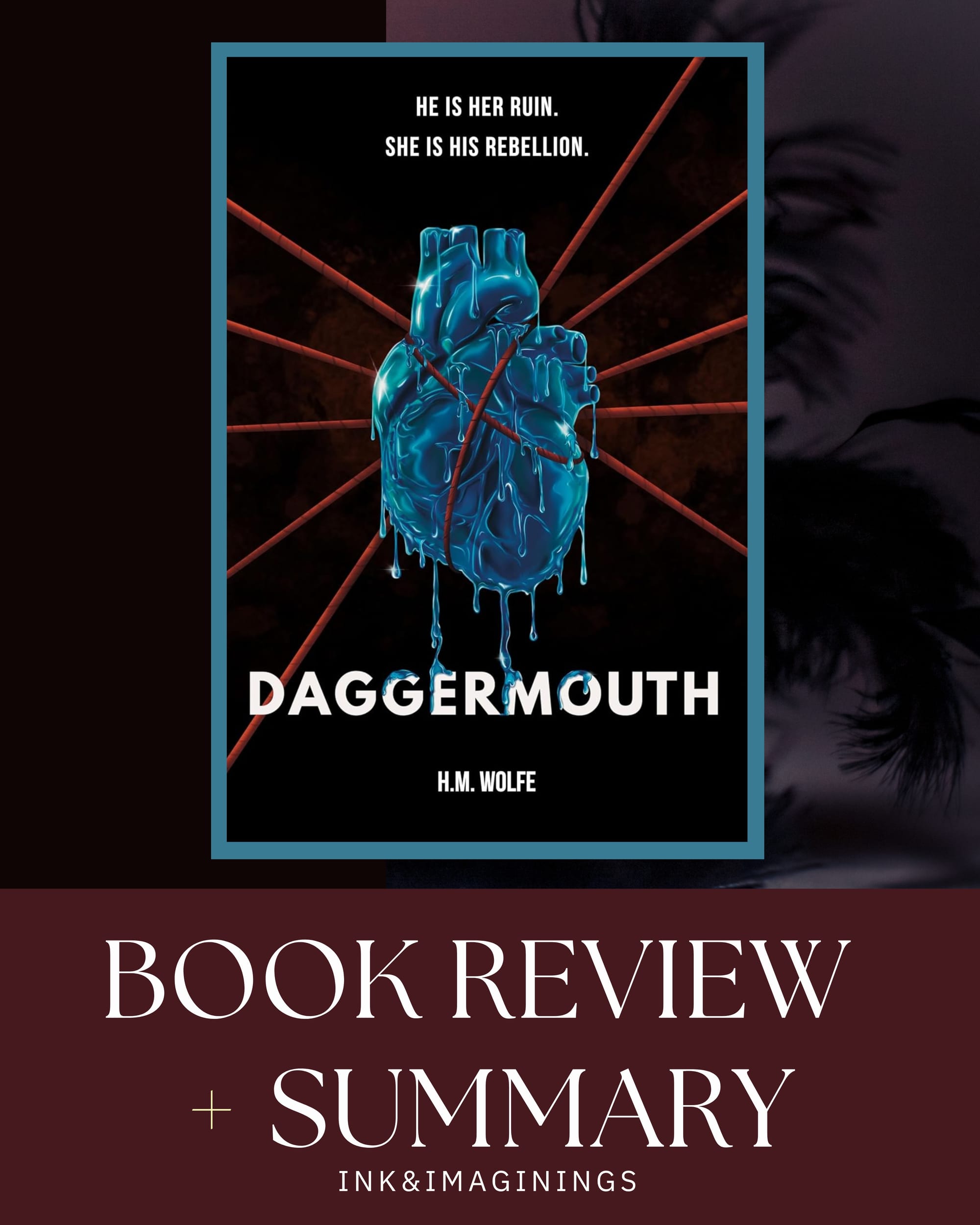
If you’re drawn to stories where power is intimate, survival is costly, and resistance is never clean:
A Guide to Alchemised by SenLinYu