In conversation with the author of Until I Die
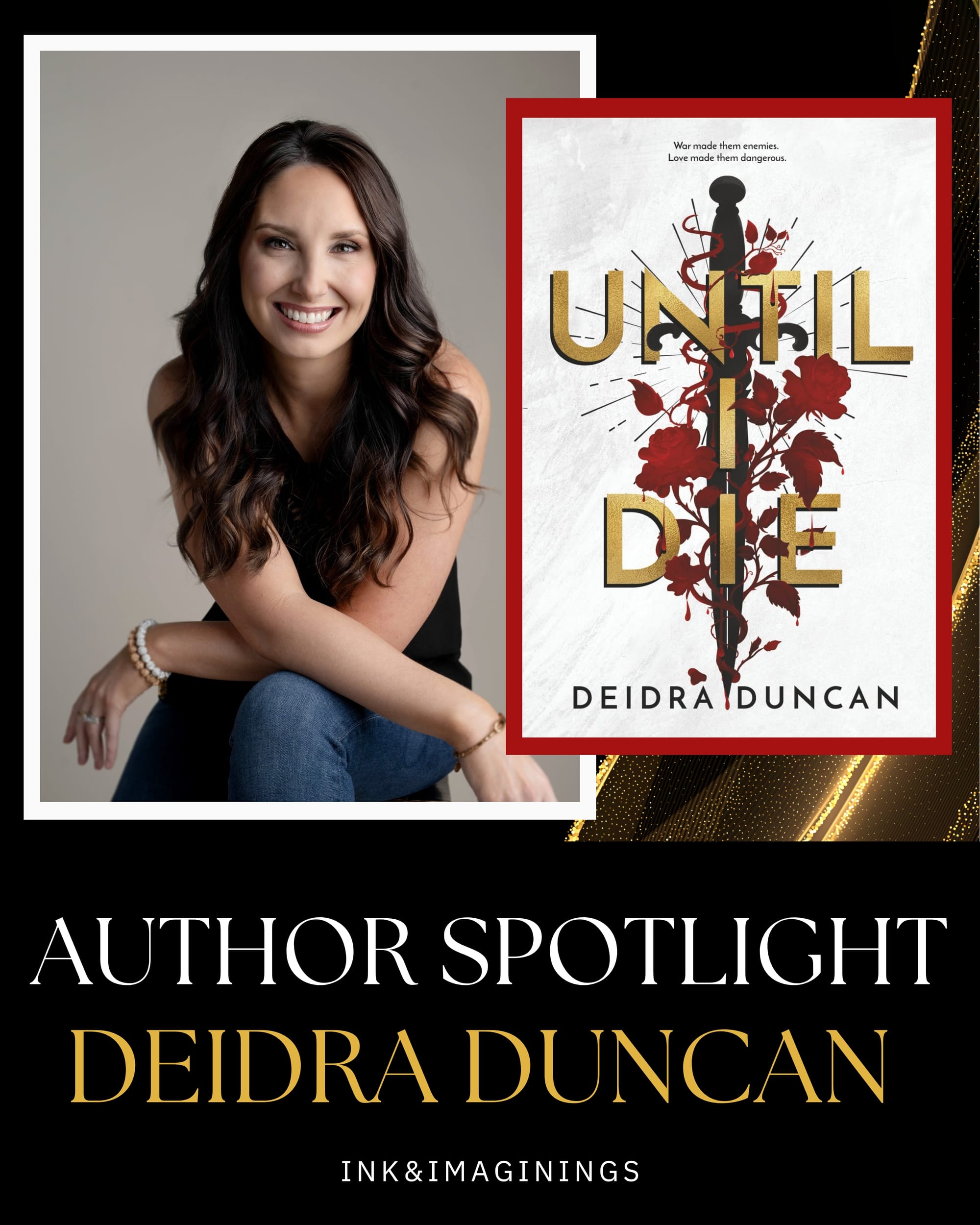
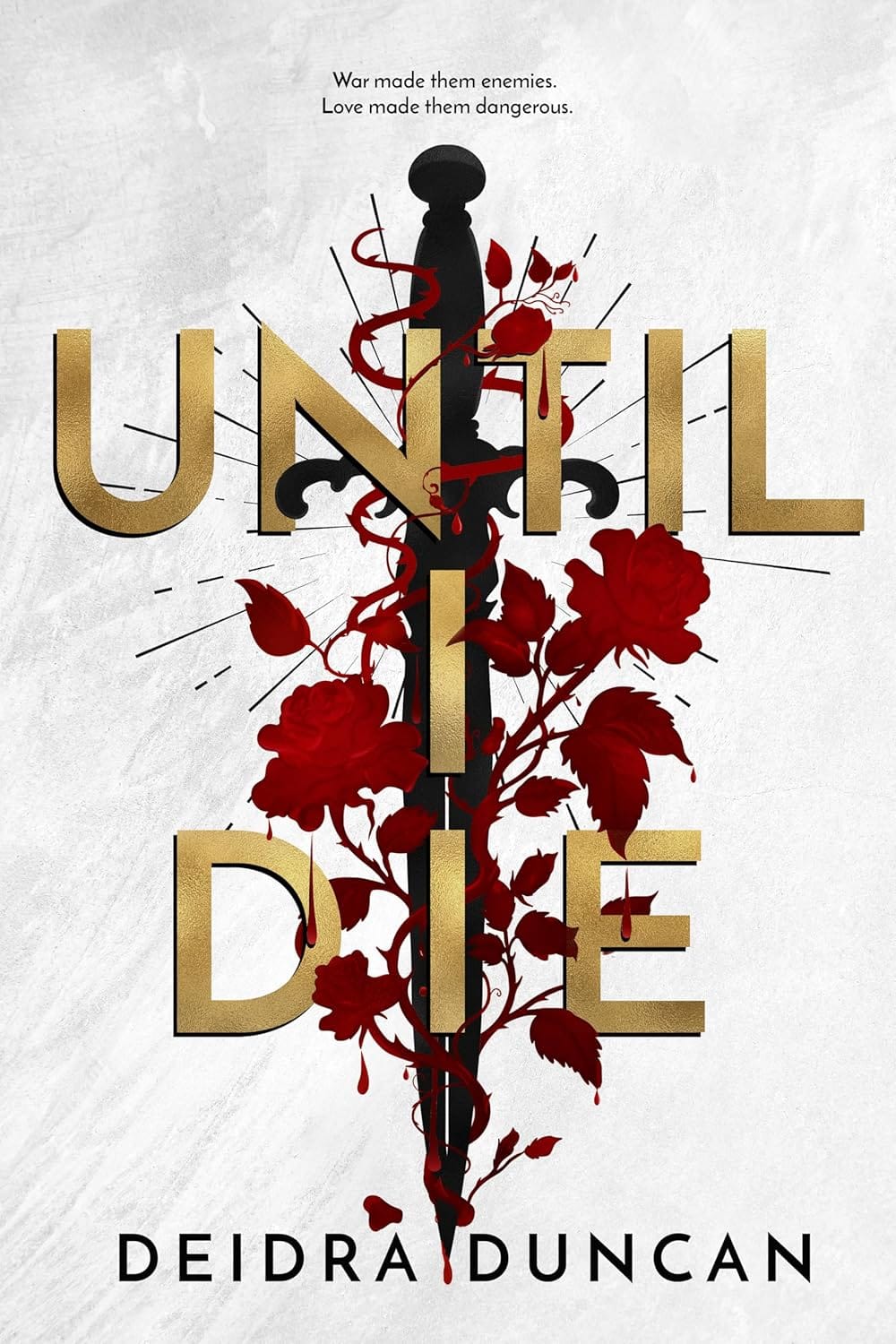
Until I Die is a dystopian romance that refuses to give the readers distance.
It doesn’t rely on speculative abstraction or far-off futures to make its point. Instead, it asks the readers to consider how close we may already be to the world it depicts.
I spoke with author Deidra Duncan about the origins of the novel, her approach to writing romance inside systems of oppression, and why hope remains central even in the bleakest landscapes.
Below, Deidra shares her process, influences, and general brilliance that shaped Until I Die, in her own words!
Writing, Craft, and Process
Was there anything specific that led to Until I Die? What inspired you to write it?
I started writing UID several months after the January 6th Capitol insurrection. At the time, I just thought…. what if this went to its logical and terrible conclusion? The thought simmered in my brain for a while before I finally started putting a plot together. About a year before the insurrection, I had read the fanfic Manacled and fell in love with the spy/handler trope. I thought, what if I could combine these two things? The desperate hopelessness of the relationship in Manacled + the intolerant/oppressive government from The Handmaid’s Tale + the war from The Hunger Games.
I wanted people to read this and feel like it could happen, like we were only steps away from it. But I also wanted people to come away with a shred of hope — which is where the romance came in.
Until I Die blends dystopian political structures with deeply emotional romance. What part of the story came to you first—the world, the plot, or Sophia and Lucas themselves?
I wrote the war first. Like, how did we get here? I wound up with 100,000 words (an entire novel!) before Lucas ever came on the scene. I showed how we descended from what we are now to where they are in UID. I wrote about every person Sophia lost, the deaths of her parents and every member of her unit. I showed every instance that paved her path to self-destruction until we finally reached the moment where she was fairly apathetic about giving her body to a murderer for intel.
At that time I thought it would be a duology, but I realized the two books would be completely different genres! A dystopian novel and a romance novel. Never would have worked, and I really wanted a standalone. As I edited and re-edited, I wound up with the past severely truncated and told mostly in flashbacks and dreams. I wound up with a dystopian romance novel—a genre that didn’t really exist in 2022.
So, then it just…sat there. For three years. And then Silver Elite came out, and I thought, “Now’s the time!” We went on traditional sub in July and I did receive a very quick offer, but ultimately decided not to take it and self-publish this one. I wanted to maintain full control of it because I was afraid a traditional publisher would try to soften the politics or make it less real-world.
Until I Die balances high stakes and intimate emotional tension. How do you approach writing romance inside a dangerous, oppressive world?
It’s actually easier for me to write romance under desperate conditions than to write the contemporary romances that are lower stakes. When emotions are already heightened, when the environment itself is the villain, that makes the romance even more precious, and the language surrounding it goes from being melodramatic and cheesy to vital and dangerous.
As an OB/GYN, your day job gives you a deep and unique understanding of human vulnerability. How does that experience shape your characters, especially the women in your stories?
It’s very important to me that the trials women face on a daily basis are represented in my books—misogyny, oppression, double standards. As a woman in a male-dominated field who works primarily with women, I have a front row seat to all of it.
Your writing is intense, cinematic, and emotionally raw. What books, films, or authors shaped your storytelling style?
Cassandra Clare was definitely the first and most influential writer for me. For this book specifically, there were lots of influencing creative works. As mentioned above, Manacled, The Hunger Games, and The Handmaid’s Tale helped inspire the plot.
Ruelle, Fleurie, The Unions, Hidden Citizens, and The Civil Wars helped inspire the tone. Hamilton was a huge inspiration in terms of American resilience and ingenuity in times of oppression. The movies Pearl Harbor and Fury helped me visualize the true brutality of war.
What was the hardest scene in Until I Die to write?
Funny enough, the scenes that were the hardest to write are ones that no longer exist. The original version of Sophia at Jack Miller’s house was much more graphic. I softened it dramatically, but writing the original version was rough. Equally hard was the original ending, but I can’t give that away because it’s a spoiler for the real ending!
How do you know when a story is ready to leave your head and finally be written?
When it won’t shut up. Sometimes, I truly can’t stop thinking about it. I hear it in songs. I see it in dreams. UID was one of those stories.
Worldbuilding & Themes
The New American Order is terrifyingly plausible. What inspired the political and social structures in this world?
Basically everything we’ve been seeing in the US in the last several years. BLM, Me Too, Roe v Wade, No Kings, increasing gun violence. There have been voices gaining popularity calling to abolish the 20th amendment. There are those seeking installation of religion into government. There are ideas resurfacing that are frighteningly similar to the Third Reich.
I wanted to show what might happen if we let these things progress.
Your portrayal of both the New American Order and the Defiance avoids a simple “good vs. bad” dynamic. Why was it important to highlight that ethical gray area?
Realism is important to me in fiction. You know how Batman never kills the bad guys, so they always come back to face him again? I find that concept stupid and childish, if I’m honest. Moral superiority will never win armed conflict.
When things devolve into war, winning requires sacrifice, often things that are terrible and unthinkable in times of peace. In war, no one wins.
What role does hope play in a dystopian romance?
I think about a quote from Rogue One a lot — “We have hope. Rebellions are built on hope.”
When you’re fighting something that is so much bigger than you, oftentimes, all you have is hope. And sometimes, it’s enough.
If you could choose one message readers walk away with after finishing Until I Die, what would it be?
Don’t lose hope.
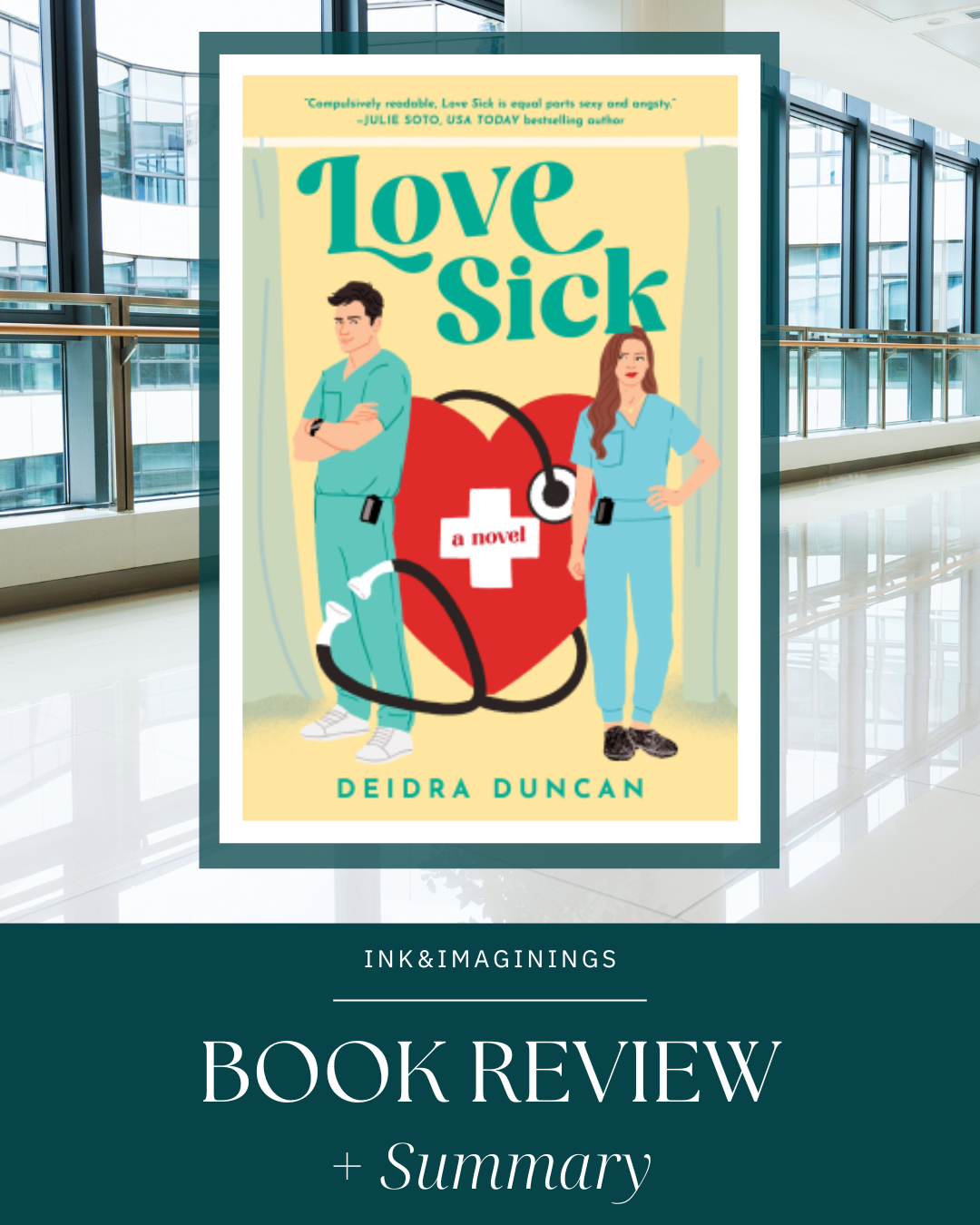
How does Until I Die expand the themes you explored in Love Sick?
I wouldn’t say they share a landscape, since UID’s landscape is essentially a barren wasteland (😂). But they both do explore themes of misogyny and its impact on women—both individually and as a whole.
Characters & Relationships
In all of your books, which character do you relate to most?
Joss from Love and Other Side Effects.
If Sophia and Lucas could step out of their dystopian world for a day, what would you want them to experience?
Happiness unencumbered by their surroundings.
Behind the Scenes
As a full-time OB/GYN, a mom, and a novelist—what does a typical day look like?
I’m not sure there is a typical day! But on any given day there are office patients, charting, delivering babies, emergency surgeries, reading, writing, and family time!
Do you plot meticulously, or discover the story as you go?
I am NOT a plotter. To my detriment, I think.
Do you have any quirky writing rituals?
Not really, but I do get most of my ideas while listening to music in the car.
Was there a scene you loved writing but ultimately had to cut?
I cut almost the entire past, so every scene with Tekqua—which was a bummer because it showed how Sophia and Tekqua grew so close and how they became each other’s light in the perpetual darkness.
Fun Reader Favorite Questions
Describe Until I Die using only three emojis.
❤️🗡️🤯
If Sophia and Lucas had a theme song, what would it be?
Devil’s Backbone by The Civil Wars
What’s one trope you’ll never get tired of writing?
Enemies to lovers
What book made you fall in love with reading?
Harry Potter
If you could have dinner with any character in any book, who would it be?
Honestly? Having dinner with strangers makes me anxious.
What’s one thing readers would be shocked to learn about you?
I have a third nipple. No, I’m just kidding. I’m not a very shocking person.
Go-to drink order?
Flat white every time.
Bookish & Reader-Centric
What do you hope readers feel during the last chapter of Until I Die?
Heart-ripped-out-of-your-chest sorrow.
What has been the most meaningful reader response so far?
Those who understood and resonated with what I was trying to convey with the social commentary have reached out in droves, and that’s been by far the most meaningful reaction. Because that was the point of this novel—to put the terror in the real world, not hiding behind magic or the Capitol or Gilead, so it would feel just a footstep away.
The people who felt it—really felt it—that’s exactly what I was going for. They are my tribe.
What’s your favorite line in Until I Die?
“Harrison threw you at me, and you couldn’t have been more destructive if you were a fucking grenade.”
Can you tease what you’re working on next?
"I have another contemporary romance that is finished and going out editors soon. This one isn’t medical, but still has the social commentary I love to shove into my books."
"I also have a romantasy series I’m working on (the first is complete, working on book 2 now) that’s a bit of a savior story that turns popular romantasy tropes on their heads—fated mates, but make it bad; blond MMC, but he’s the favorite; love triangle, but both men are the same man."
"And now that UID has been so well received, I think I might have to write another dystopian!"
Final Thoughts
Deidra Duncan approaches storytelling with the same clarity and intention that define her work: a refusal to soften what feels real, paired with a belief in hope as something worth protecting. This conversation offers a deeper look at the choices behind the story, and the care with which it was made.
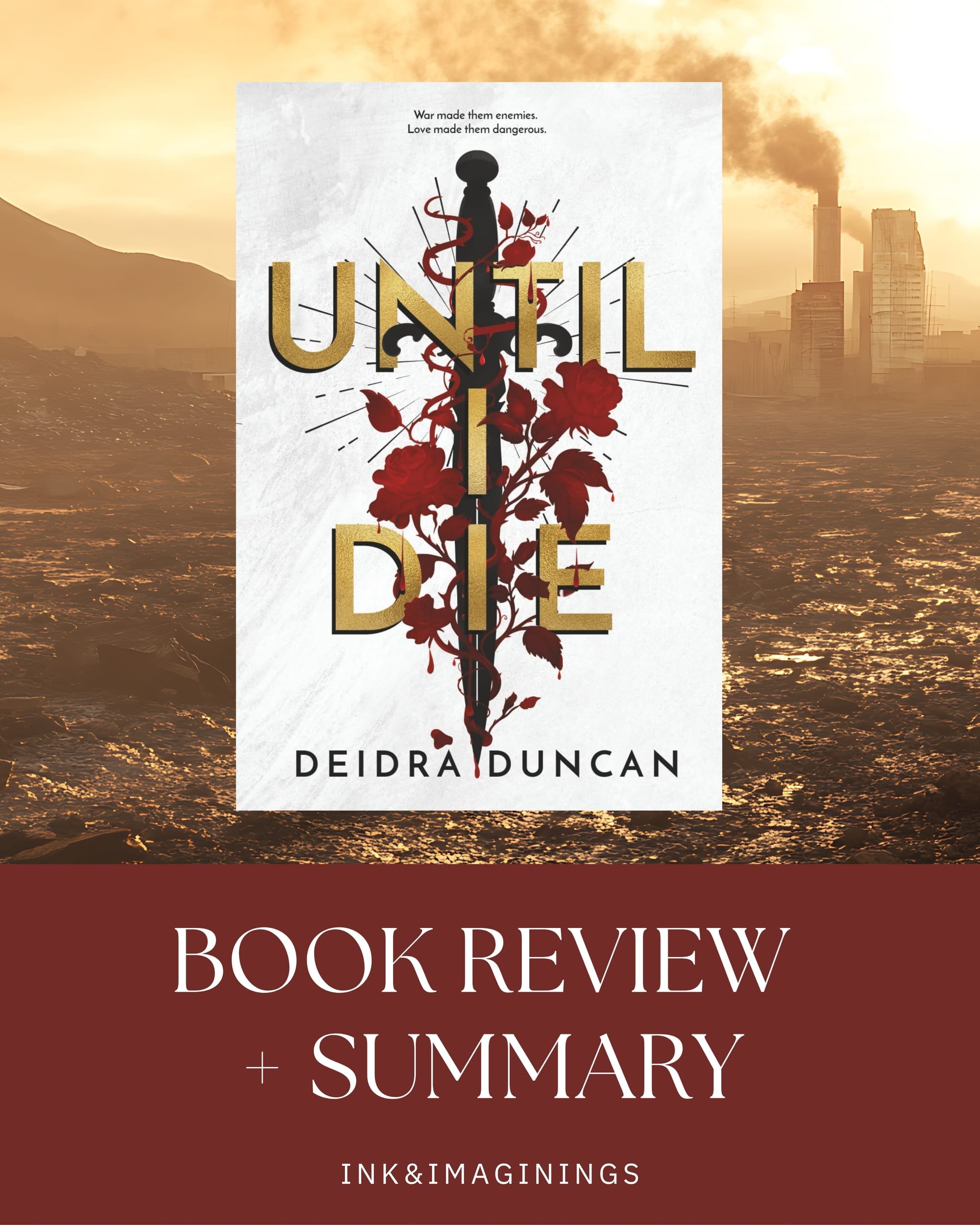
You can read my full review of Until I Die here.
If you’re interested in more from Deidra Duncan, check out:
More from Ink & Imaginings
If you’re interested in dystopian fiction that blends emotional intimacy with political stakes, you might also enjoy: